
State Laws
Seller Duties – Prior to signing a purchase agreement, the seller must deliver a written property disclosure to the buyer or their agent outlining any known material defects.[1]
Failure to provide the buyer with a property disclosure does not void the agreement, but the seller will be subject to a penalty of $1,000 per occurrence.[2]
Non-Material Facts – The seller is not required to disclose any non-material facts about whether the property was a site of any suicides, homicides, or other felonies in the past.[3]
Buyer’s Right to Inspection – The buyer must be given a 10-day period, not including weekends or holidays, to conduct inspections of the property. If the seller does not provide this right, the buyer can void the purchase agreement prior to the title transfer.[4]
Private Well & Cesspool – If the property is served by a private well or cesspool, the buyer must be given a 10-day period to conduct an inspection.[5][6]
Seller’s Disclosures (3)
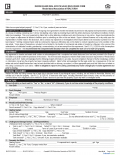 Real Estate Sales Disclosure Form (required) – Used to provide buyers with a detailed description of the material condition of a particular property. All sellers must complete this document and offer it to the buyer before agreeing to sell their property. Real Estate Sales Disclosure Form (required) – Used to provide buyers with a detailed description of the material condition of a particular property. All sellers must complete this document and offer it to the buyer before agreeing to sell their property.
Download: PDF |
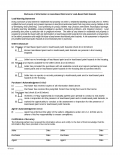 Lead-Based Paint Disclosure (conditional) – Federal law requires owners of any property built before 1978 to inform prospective buyers on whether or not a property contains lead-based paint.[7] Lead-Based Paint Disclosure (conditional) – Federal law requires owners of any property built before 1978 to inform prospective buyers on whether or not a property contains lead-based paint.[7]
Download: PDF |
 Lead-Based Paint Pamphlet (conditional) – Gives general information about lead-based paint for properties built before 1978.[8] Lead-Based Paint Pamphlet (conditional) – Gives general information about lead-based paint for properties built before 1978.[8]
Download: PDF |