
Commonly Used For
- Tenant to buyer: Included in residential lease agreement to give existing tenant the first priority to purchase the property if the owner decides to sell.
- Family properties: Used to keep estates within the family by granting heirs the first option to buy.
- Commercial real estate: Often used by developers or businesses to secure adjacent spaces for future expansion.
How to Create a Right of First Refusal (4 Steps)
- Identify the parties and the asset.
- Negotiate the consideration.
- Specify when the right becomes active.
- Determine required timeframes.
1. Identify the parties and the property.
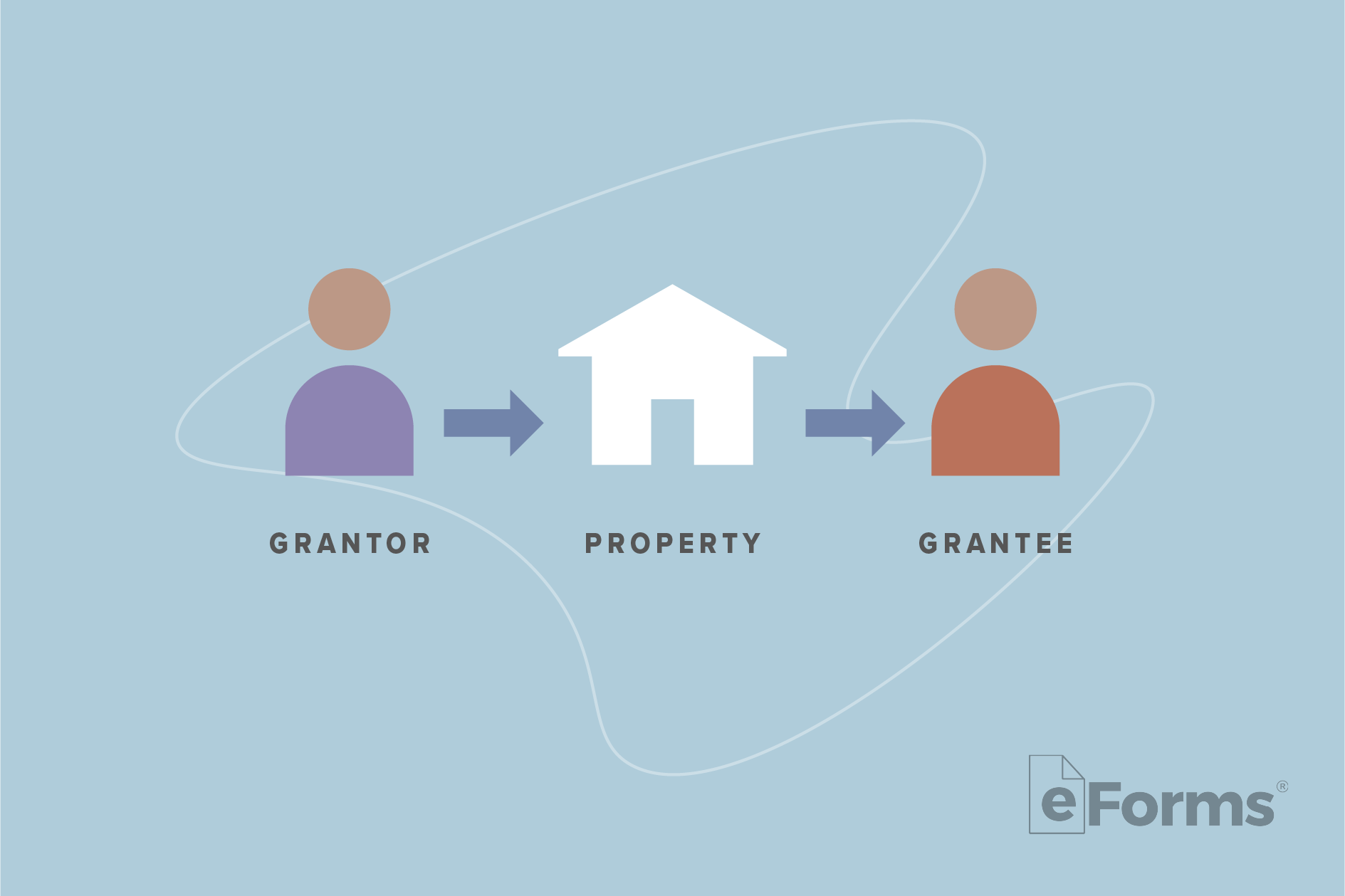
The person receiving the exclusive right to purchase a certain property is known as the grantee. The grantee is usually a tenant, family member, or some party interested in the property. The grantor is the person granting this right, typically the property owner.
2. Negotiate the consideration for this right.
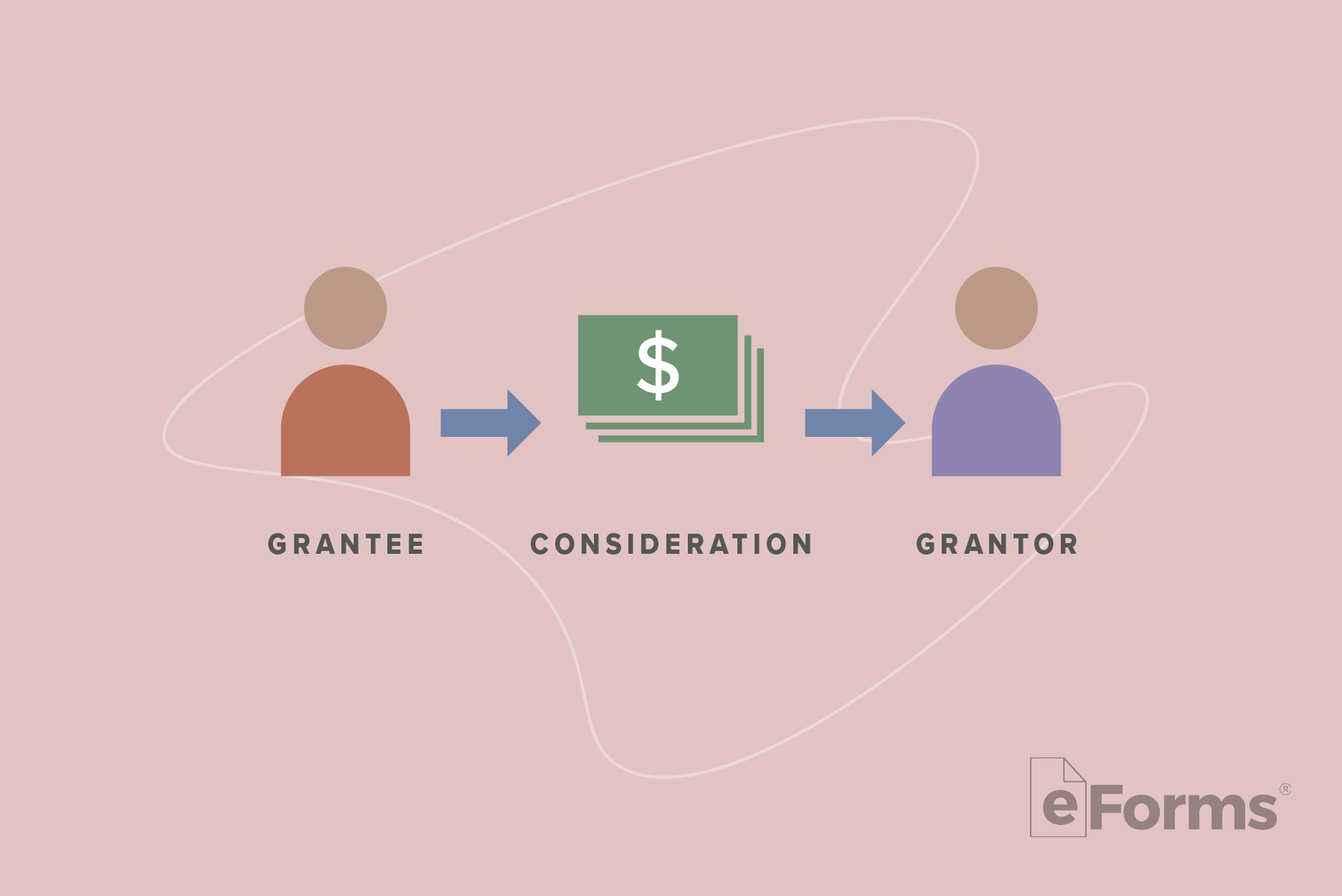
Consideration refers to what the parties exchange in this transaction. The grantor offers the right as consideration, and the grantee’s consideration varies based on the agreement. For instance, the grantee might offer cash, services, some tangible item of value, or an intangible valuable.
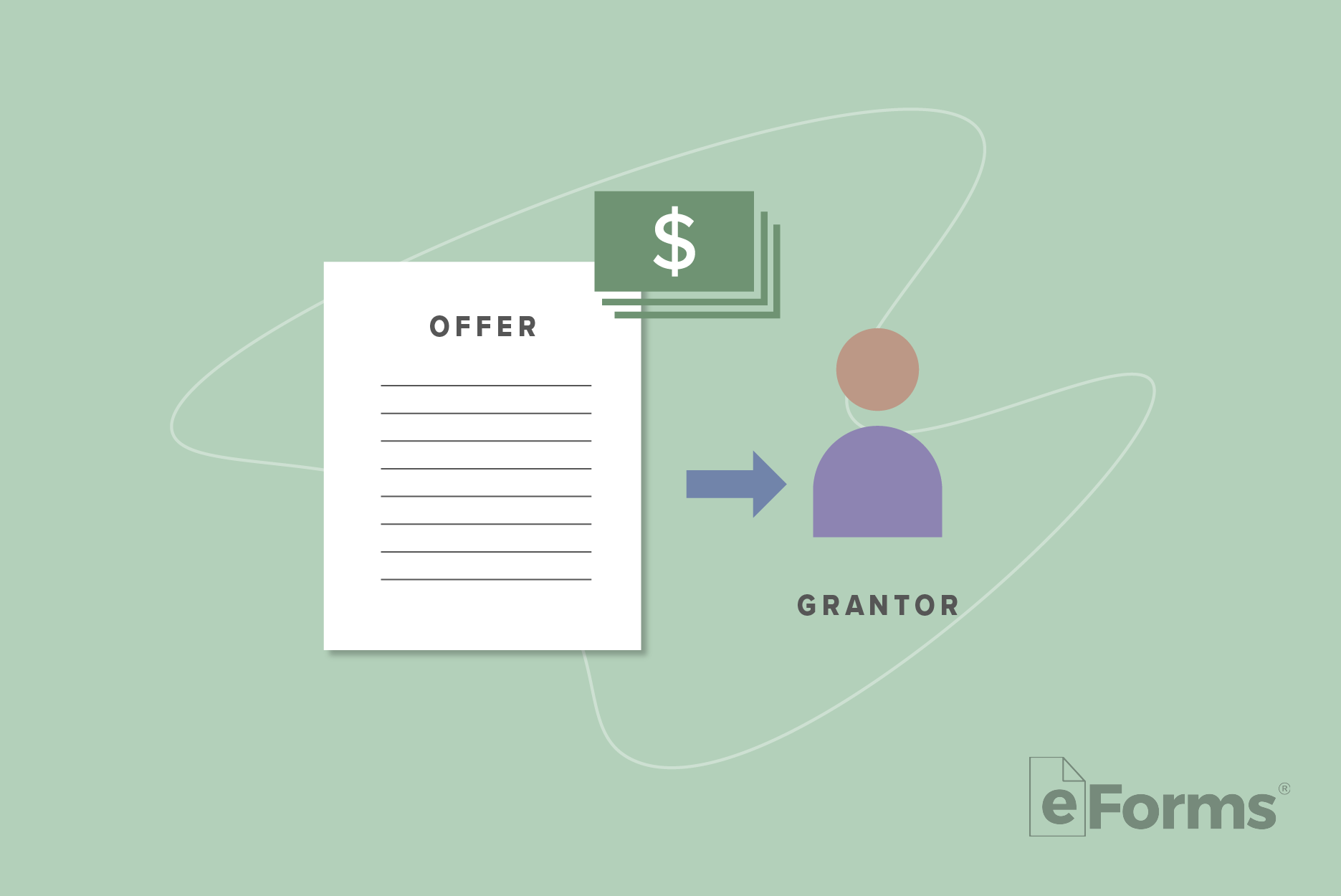
4. Determine required timeframes.
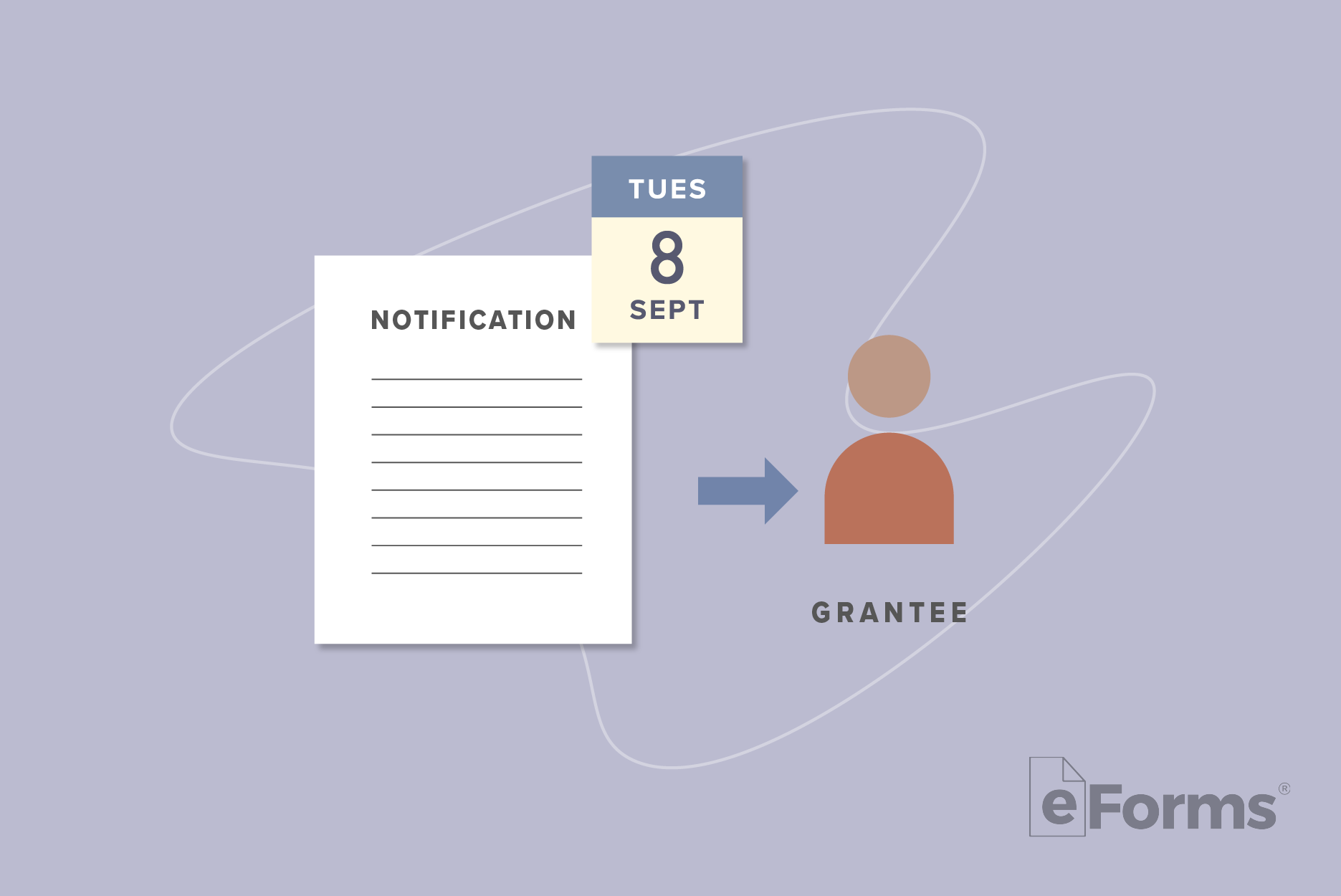
When the owner receives an offer or decides to sell, they are legally obligated to notify the grantee in writing within a specified timeframe. The grantee must then respond to the notice within the required number of days about their intended action, specifically, whether they will be exercising their right to purchase.
If the right is not exercised during the time limit, the owner may freely accept offers from other buyers.
Sample
Frequently Asked Questions (FAQs)
- What triggers a right of first refusal?
- How long does a ROFR last?
- What happens if the ROFR holder declines?
- Is it binding?
- Can it be transferred or assigned?