
Key Features
- Nonprofit status. Specifies the nonprofit’s designated purpose and whether it is exempt from federal income tax.
- Board of Directors. Describes the makeup of the Board of Directors and the rules that govern its actions.
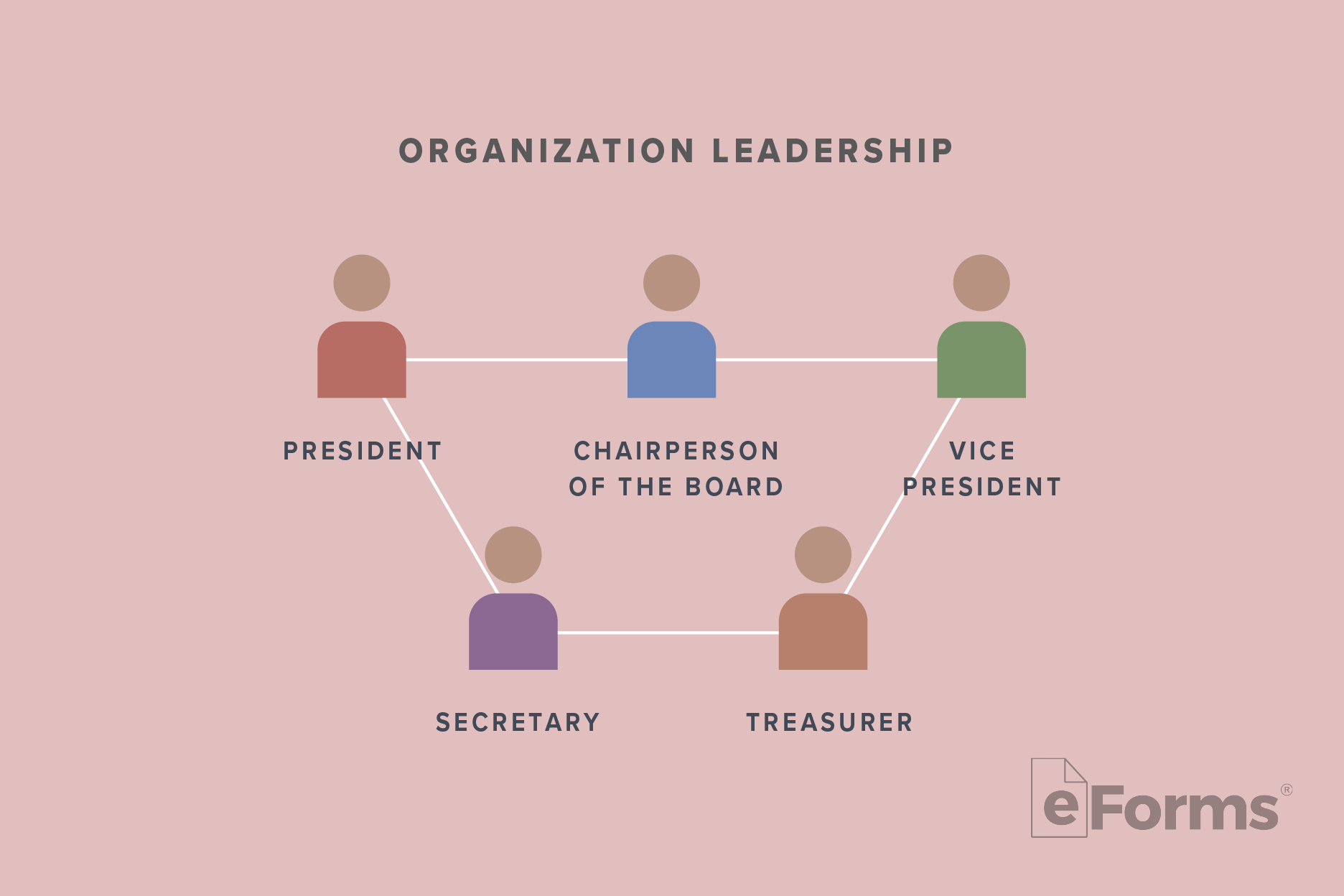
- Corporate officers. Identifies officer positions in the organization, their responsibilities, and their election or appointment methods.
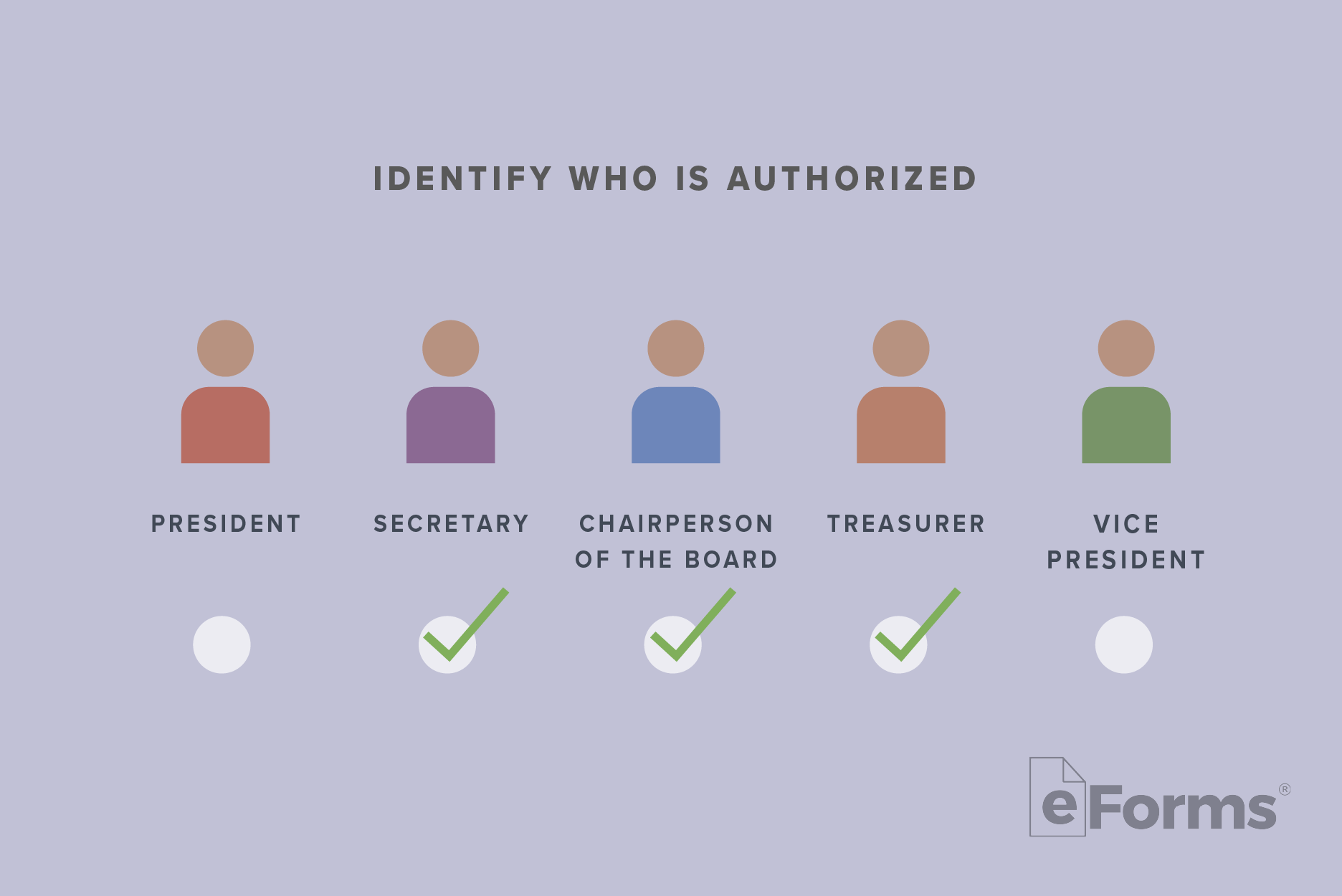
- Execution of documents. States which individuals are authorized to sign contracts, checks, and other instruments of the corporation.
- Amendment procedures. Outlines how the bylaws may be amended or repealed, as well as how the corporation may be dissolved.
How are Nonprofits Different from Other Corporations?
The most important difference is purpose: where for-profit entities are set up in order to generate financial returns, nonprofits serve a public or charitable mission. This allows nonprofits to apply for and obtain tax-exempt status with the IRS.
Nonprofit organizations also tend to be led by a board of directors without any private ownership, and they often rely on volunteers instead of a large full-time staff.
How to Write Nonprofit Bylaws (6 steps)
Whether a nonprofit must have bylaws is determined by state law, although it is generally advisable for such an organization to have internal operating rules.[1]
1. Describe the Corporation’s Purpose and Status
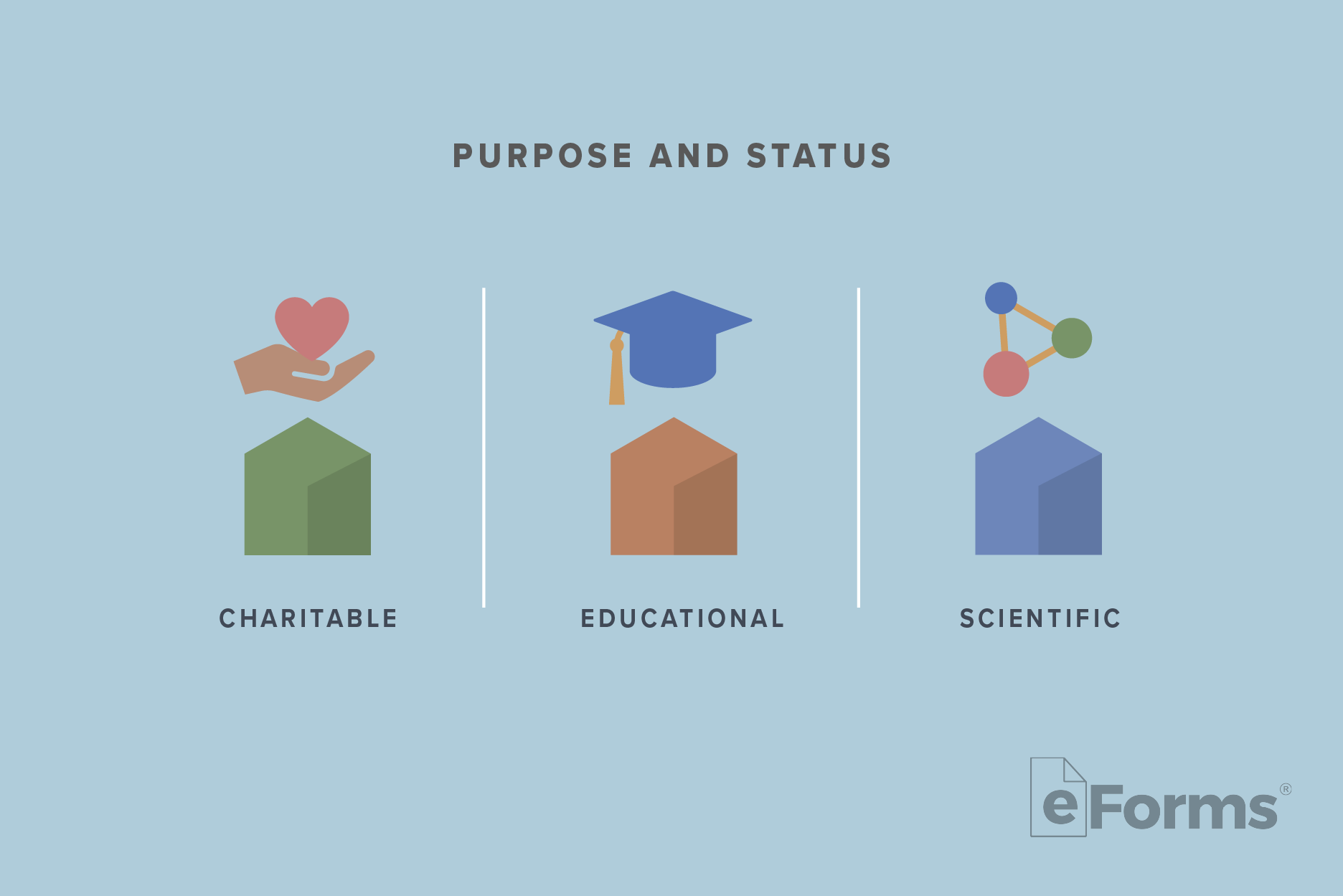
Describe the purpose for which the nonprofit was organized, such as charitable, educational, or scientific purposes.[2] The document should also indicate the corporation’s federal tax status under the Internal Revenue Code, if applicable.
2. Establish the Rules for the Board
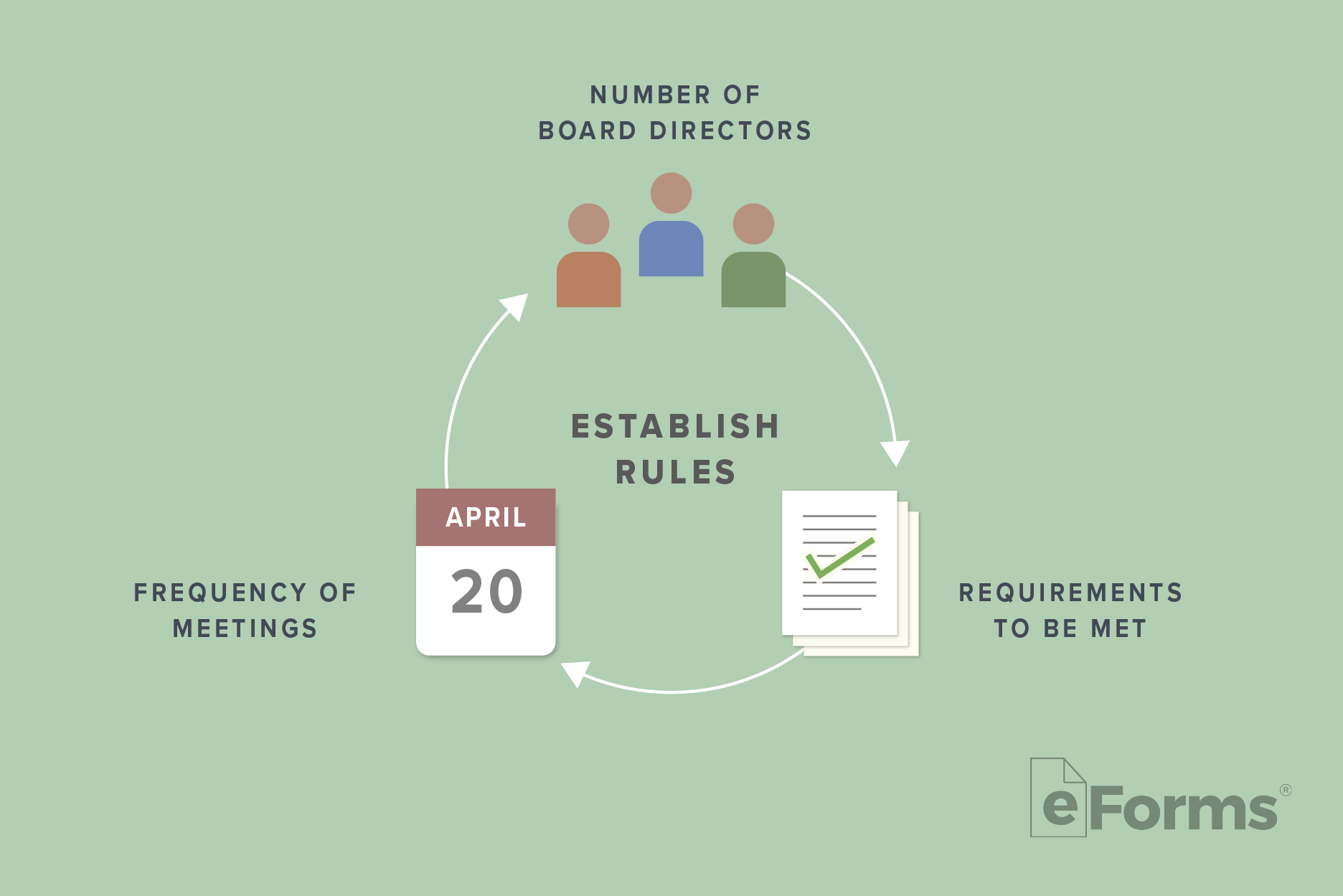
The bylaws should state how many directors will sit on the board, how often the board will meet, and what requirements must be met before the board can take any action. The document can also specify if actions may only be taken at a board meeting.
Frequently Asked Questions (FAQs)
Do bylaws need to be filed with the IRS?
If applying for federal tax-exempt status, the nonprofit must submit its bylaws as an attachment to its Form 1023 application.
However, small charities (organizations that expect gross receipts of $50,000 or less in each of their next three years and hold $250,000 or less in total assets) that file Form 1023-EZ are not required to submit their bylaws to the IRS.
Are nonprofit bylaws public?
Not inherently, but if the nonprofit applies for tax-exempt status with the IRS and is approved, then the bylaws become public record as an attachment to the application.[3]
Should the bylaws include a conflict of interest policy?
It is generally recommended that a nonprofit adopt a conflict of interest policy, especially if it intends to apply for tax-exempt status. This policy can be articulated as a provision of the bylaws, or it can be adopted as a separate policy document.[4]