
Key Features
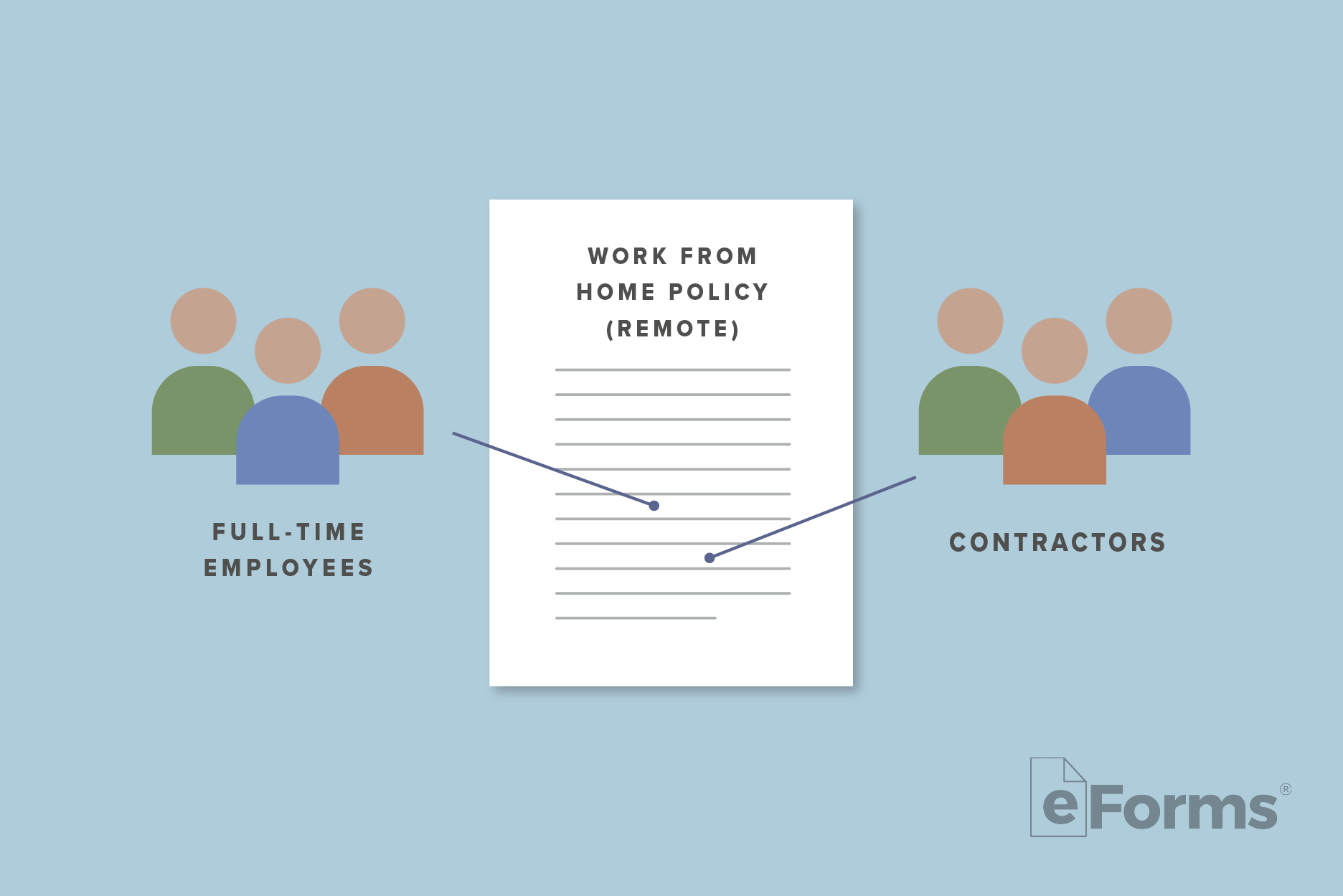
- Establishes the scope of the policy. Indicates which employees are covered by the policy and whether the arrangement is permanent or time-limited.
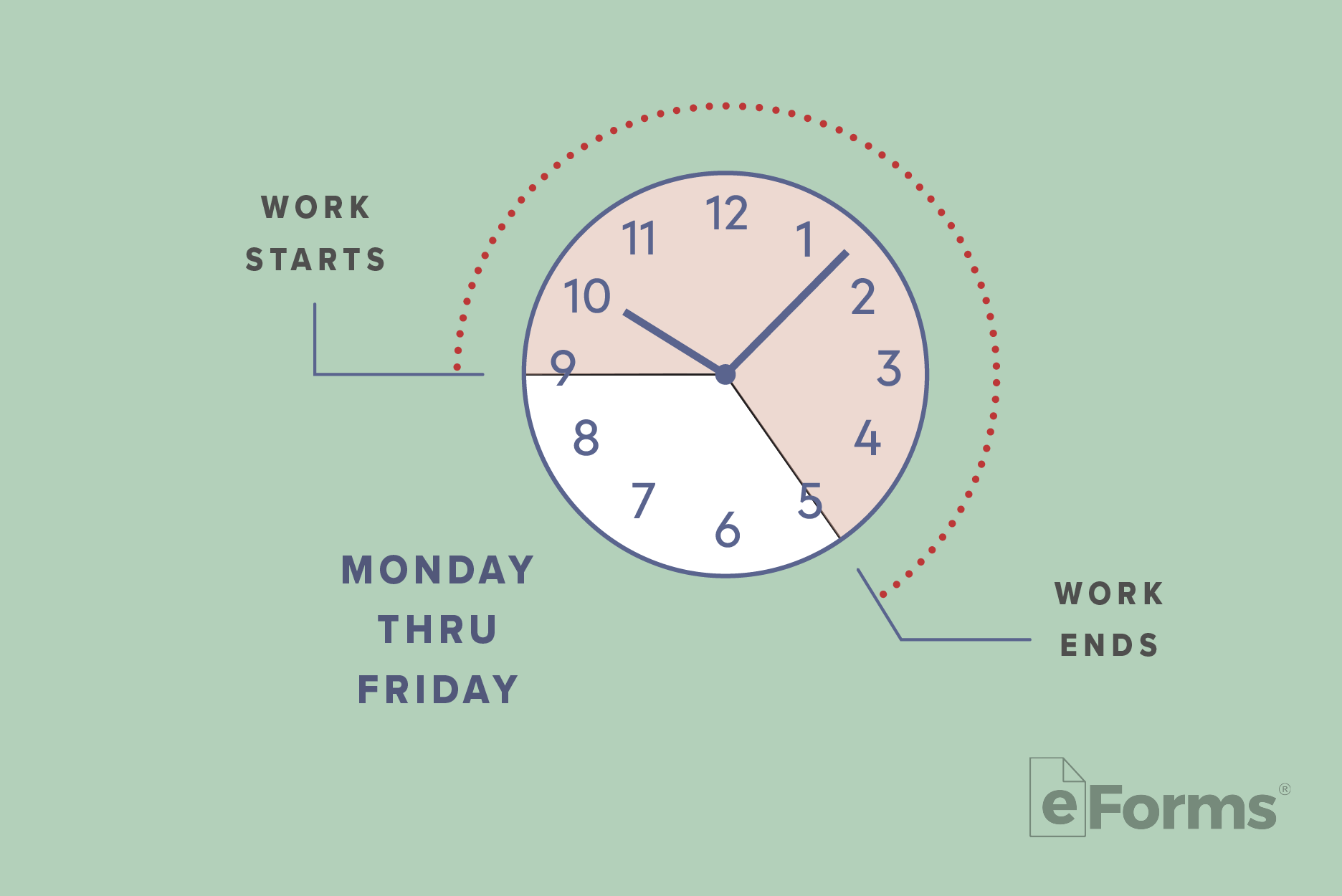
- Defines expectations. States how the employee is expected to communicate, maintain productivity, and track work hours.
- Specifies eligibility criteria. Clarifies what eligibility for remote work is based on, such as business needs or job performance.
- Approval process. Sets out how employees can seek approval for remote work from their supervisor.
- Workspace and equipment. Describes the type of equipment and workspace environment the employee will be required to have.
What to Include in a Work from Home Policy (8 steps)
22.6% of workers in the United States worked remotely in March of 2026.[1] The rise in remote work since 2020 has led to increased productivity across multiple industries in the private sector.[2]
2. Eligibility Criteria
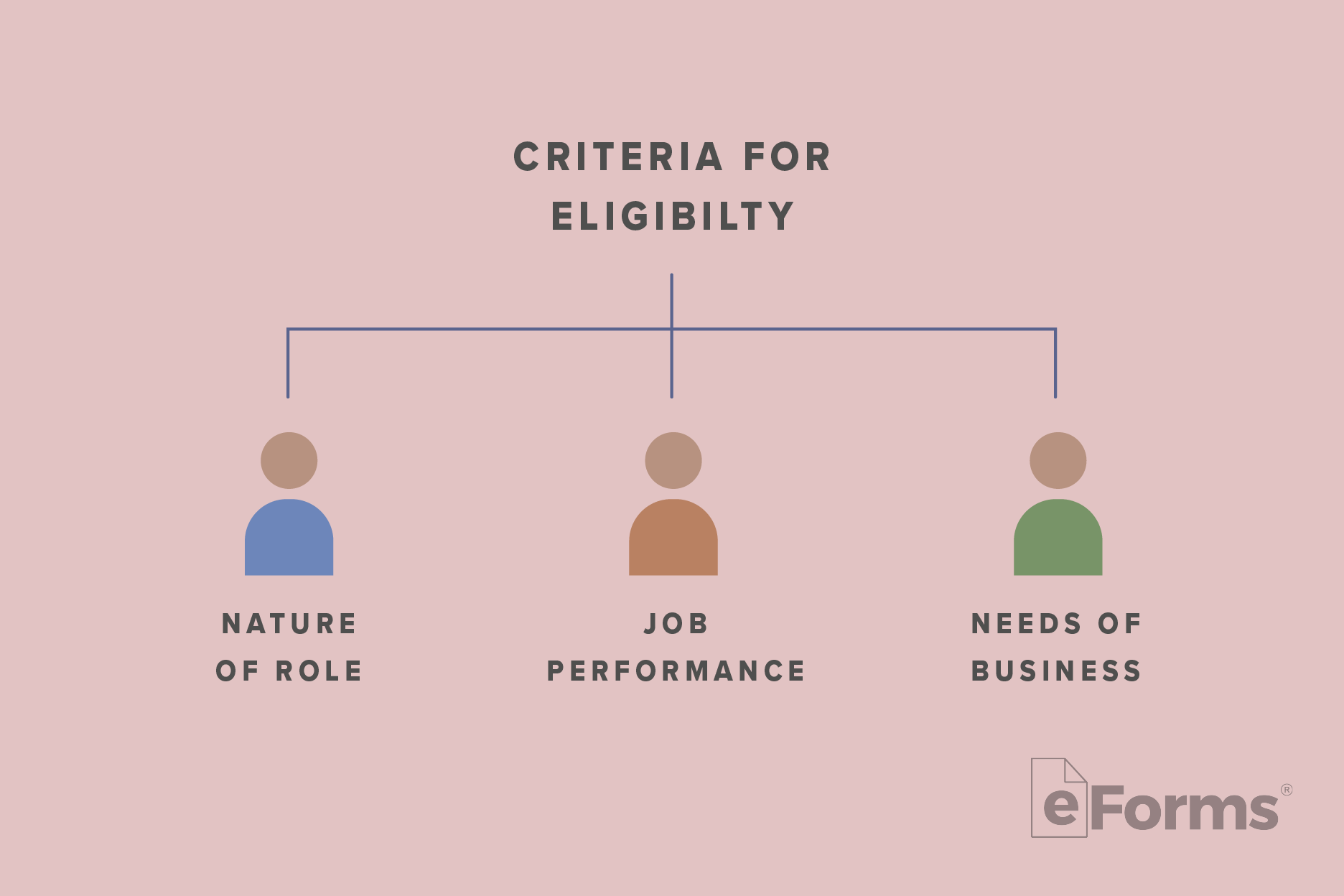
If remote work is not an entitlement for all employees, the policy needs to set out the criteria for which employees are eligible to work from home. These often include the nature of their role, their job performance, and the needs of the business overall.

6. Reimbursement Guidelines
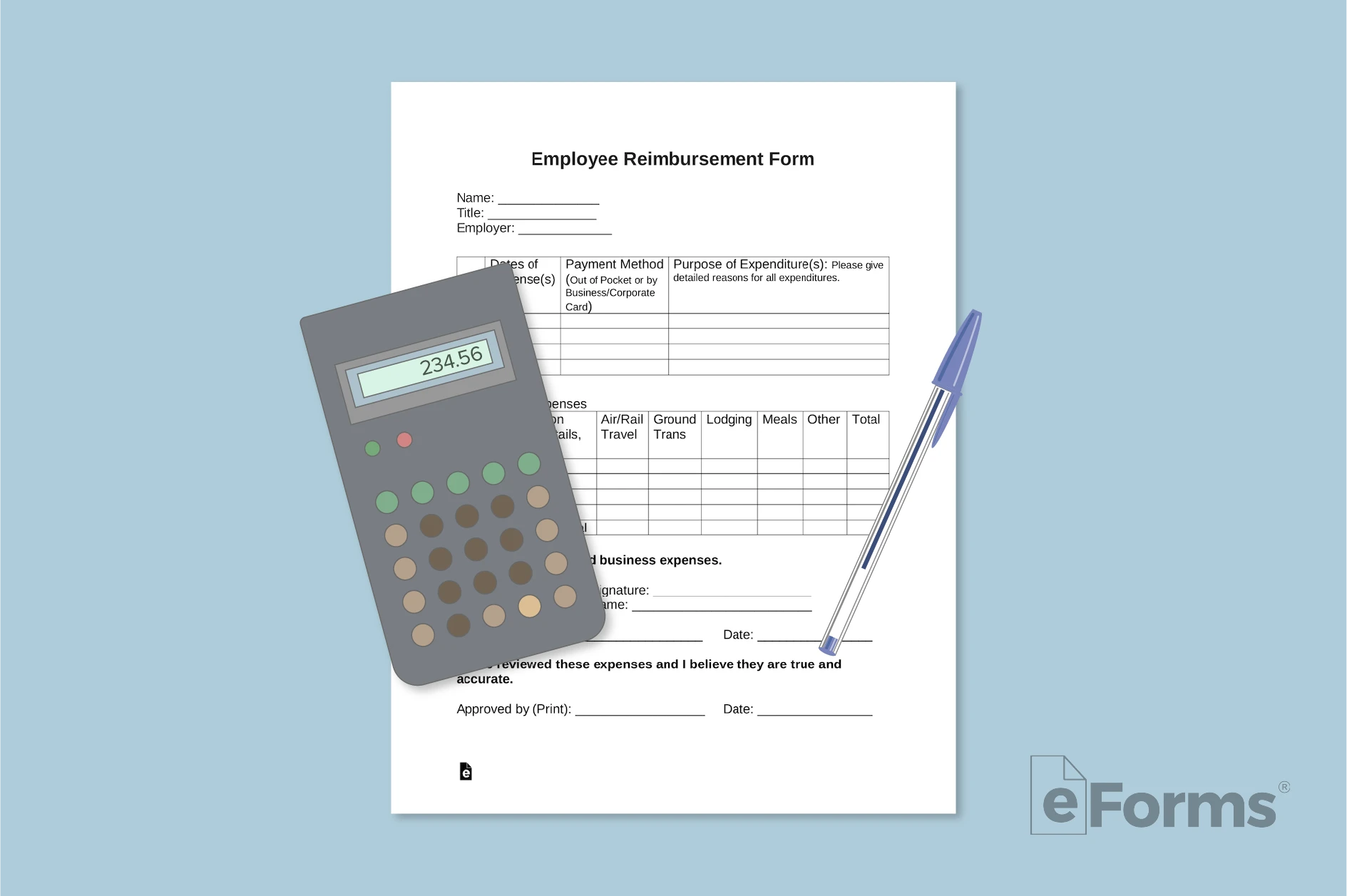
If the company will reimburse any of the employee’s work-related expenses, the policy form must indicate how much reimbursement the employee may receive and what steps they need to take to apply for it.

Frequently Asked Questions (FAQs)
Does my company need a remote work policy form?
If any of your company’s employees will have the ability to work remotely, it is generally recommended that you create a written policy to set clear expectations and to prevent misunderstandings or confusion in the future.
Can a company modify or revoke a work-from-home policy?
In general, yes, a company can unilaterally revoke or amend its remote work policy at any time, unless remote work is guaranteed by the terms of a signed employment contract.
Note that an employer that has a remote work policy in place may be required to modify its program for an employee with a disability as reasonable accommodation under the Americans with Disabilities Act.[3]
Which state laws apply to a remote worker?
Generally, remote employees are subject to the laws of the state in which they physically perform their work, rather than the state where the company itself is located.