Commonly used to
- Formalize an agreement between members of a band
- Sign an artist to a record label
- Outline an agreement between a musician and a music distributor
- Clarify the relationship between a musician and a booking agency
What Should Be Included?
1. Scope of Work
This section deals with what the musician and client are required to provide upon the signing of the contract. This should be specific: How many songs or albums or performances will the contract cover? What is the musician obligated to produce, and when? What is the client paying for — the right to sell or stream an album? How much time will the production of the work require? What costs are involved in the recording process?
2. Location
Expressly noting a location is particularly important when it comes to licensing rights to a song, album, or album image since music can travel so easily across borders. Will the client be able to use the music around the world or specifically in the United States?
3. Payment
This is the section of the contract that will outline payment, including payment methods and payment terms. Whether and when an advance or deposit will be paid should be explicitly stated. The amount of total compensation should also be included, in addition to details about when payments will be made and what happens if they’re not made on time.
4. Timeline
The contract’s timeline will depend on the nature of the contract. These are some common types of musician contracts and their general duration:
- Contracts with booking agents: 1-3 years
- Contracts with managers: 3-5 years
- Contracts with record labels: length of the production period
It’s important to specify the length of time the contract will cover. A contract that governs the production of new music shouldn’t just cover the period of creation but also how long the client can market, distribute, and sell the music.
5. Usage Rights
Think carefully about how long you will license the client to use your music. Often, record labels will expect to own sound recordings for 50 years after the release date.
Remember that if you sign away your rights to your music, you can’t actually use it unless you get permission from the company or person who owns the copyright.
6. Exclusivity
In the music industry, it’s important for artists to understand the difference between exclusive rights and non-exclusive rights. Giving a label or person exclusive rights over your music, even for a time, means you can’t license your music to anyone else for the period covered by that contract. Typically, record labels require exclusive rights to the artist’s music, particularly if the advance being paid is large.
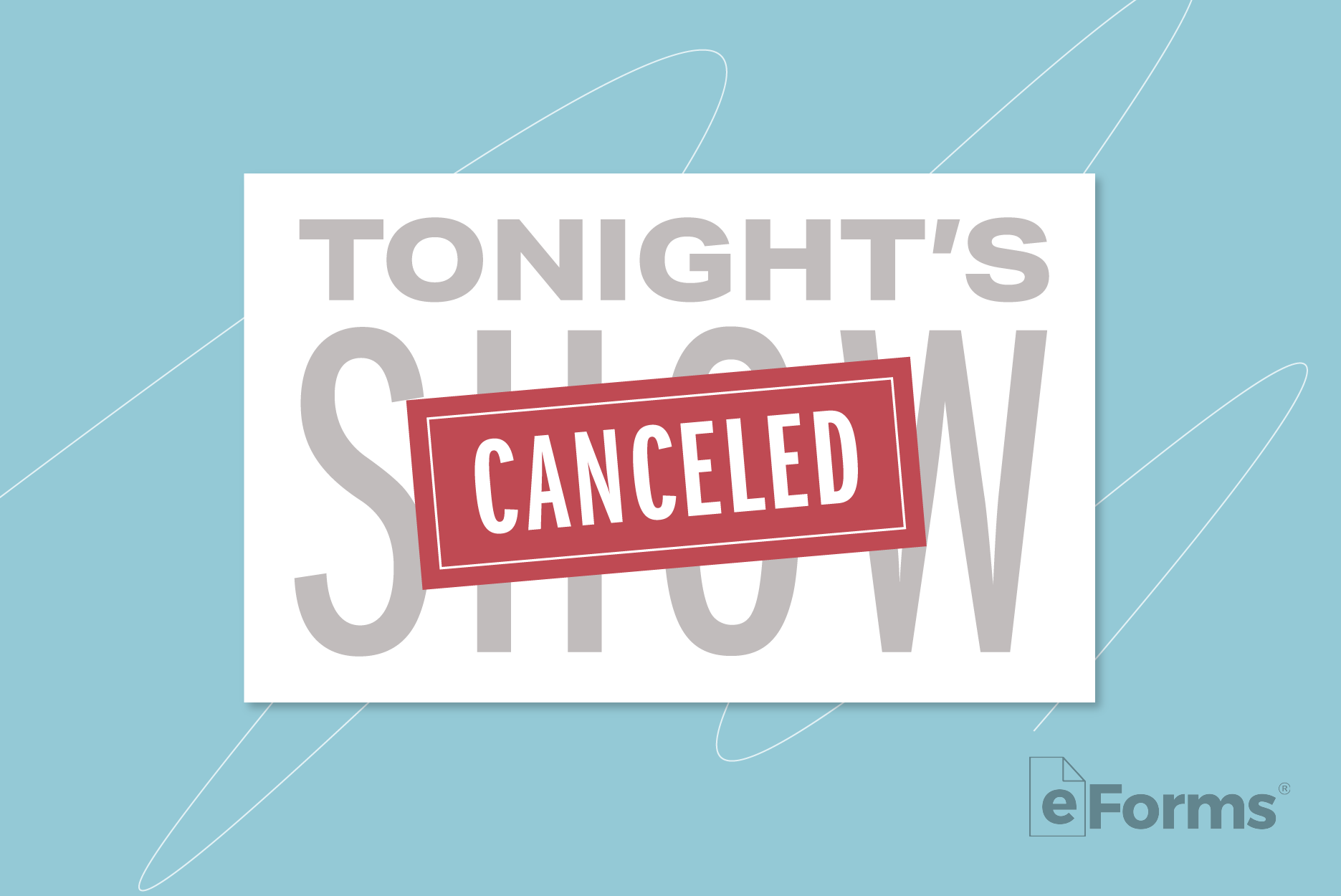
7. Cancellation Policy
What happens if a gig gets canceled? Obviously, not all circumstances are within a booking agent’s control, but it’s important to consider the following scenario: A musician books a gig, turns down other offers for the same night or weekend, and then the gig gets canceled because the agent double-booked the venue.
If the contract with the agent doesn’t outline what happens in this situation — for example, whether the musician receives partial payment or full payment for the canceled gig — then the musician rightfully feels cheated.
Contracts often contain a force majeure clause, also known as an “act of god” clause. Essentially, this means that if a catastrophic event occurs — a terrorist attack, perhaps, or a flood — then neither party can be held accountable for its implications.
Typical Royalty Rates
Royalties are a percentage of the proceeds generated through the distribution of music. Typically, these are divided between a musician and the agency or person who produces, markets, or distributes the musician’s work. A musician contract should clearly state what royalties each party receives, and how often.
Recording artists typically receive royalties ranging between 10% and 20%. More established artists command rates at the higher end of the spectrum.
Types of Record Deals
Signing a contract with a record company is a big-league move. Some of these contracts are worth millions and cover the production of multiple bodies of work. It’s important to understand the types of deals that exist before settling on one.
Traditional Deal
In a traditional deal, the label offers to cover an advance, as well as recording and marketing costs, in exchange for rights to the music and 80% of royalties. The advantage for the musician in this type of deal is increased support and focus from the label; for many artists, the traditional deal has been a jumping-off point into mainstream fame. The downside, of course, is the relinquishing of control and money to the record label.
360 Deal
A 360 deal refers to a situation in which a label takes a percentage of all monies being earned, not only from streaming or playing music but also from a musician’s other activities, such as touring and appearances. The term 360 refers to the fact that the deal is full-circle, given the label taps into every income stream.
50/50 Deal
A 50/50 deal is a deal that splits royalties 50/50 between the artist and the label. Typically, this means the parties also split the costs.
Distribution Deal
A distribution deal typically involves artists covering their own production costs and retaining rights to their music. The label’s commitment is to promote and market the music in exchange for some royalties.