
State Laws
Agent’s Duties – If an agent, on behalf of the seller, has knowledge about any environmental hazards, physical condition or material defects affecting the property, they must disclose this information to the buyer.[1]
Seller’s Duties – Even though the seller is not legally required to disclose all material facts about the property, it may subject them to a lawsuit for willfully withholding important material facts or misrepresenting the property.[2]
Seller’s Disclosures (6)
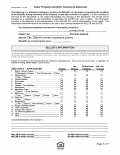 Seller Property Condition Disclosure Statement (optional) – While Kansas law does not specifically state that the seller provide the buyer with a property condition disclosure statement, it is considered best practice to provide one. Seller Property Condition Disclosure Statement (optional) – While Kansas law does not specifically state that the seller provide the buyer with a property condition disclosure statement, it is considered best practice to provide one.
Download: PDF |
| Radon Disclosure Statement (required) – The seller must include a statement about the potential presence of radon on the property.[3] This is included in the Seller Property Condition Disclosure Statement.
Download: PDF |
| Proximity to Convicts Disclosure Statement (required) – This informs the buyer how they can search for registered offenders in the neighborhood.[4] This is included in the Seller Property Condition Disclosure Statement.
Download: PDF |
| Special Assessment Disclosure (conditional) – If the property is located in an improvement district, the seller must disclose that the property is subject to special assessment or fee.[5]
Download: PDF |
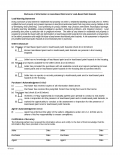
Lead-Based Paint Disclosure (conditional) – All American homes built before the year 1978 must come with a disclosure revealing any lead-based paint used on the premises.[6] Download: PDF |
 Lead-Based Paint Pamphlet (conditional) – Gives general information about lead-based paint for properties built before 1978.[7] Lead-Based Paint Pamphlet (conditional) – Gives general information about lead-based paint for properties built before 1978.[7]
Download: PDF |