
Definitions: What are goods and services?
Goods are tangible, physical items that can be bought and sold, moved from one place to another, and can be owned. Goods include manufactured items, raw materials, livestock, and crops that are harvested before being sold.
Services are the performance of intangible actions, tasks, or specialized skills that cannot themselves be owned. Services can include professional advice, entertainment, medical treatment, and repairs.[1]
Vendors vs. Employees vs. Independent Contractors
Employees are hired by a company and report to a boss. They are told what tasks needs to be accomplished, where to be, and when to be there.[2] A vendor, on the other hand, is an outside business or person who supplies goods and services under contract.
There is some overlap, however, when it comes to vendors and independent contractors. Independent contractors provide specialized services in a project-based arrangement, but they are not employees. Independent contractors can act as vendors, but vendors providing tangible goods are not considered independent contractors.
Example 1
A babysitter uses a Babysitting Agreement which can be either a Service Contract or an Independent Contractor Agreement because the babysitter is not an employee, but does provide a service. The same applies to a caterer using a Catering Contract. Both can be considered vendors and independent contractors.
Example 2
A manufacturer uses a Manufacturing Contract to supply widgets to another company. The manufacturer is a vendor because they provide a product. Even though manufacturing widgets is a specialized skill, they are not selling that skill as a service; they are selling widgets. The manufacturer is a vendor but not an independent contractor.
Common Types Of Vendors
Types of vendors can vary as widely as there are different kinds of goods and services. Here are some of the more common types that might be hired directly by consumers:
Home and Property Services
- Contractors and Handymen
- Landscapers
- Pool maintenance
Events and Entertainment Services
- Wedding and Event Planners
- Caterers and Bartenders
- DJs and Bands
- Photographers
- Rental Companies
Personal Services
- Babysitting and Childcare
- Tutors and Coaches
Goods Providers
- Wedding Dress Designers
- Furniture and Cabinet Makers
- Jewelers
What To Include In A Vendor Agreement
A vendor agreement doesn’t have to be long or complicated, but it must include certain information to make it legally viable. At minimum, this type of agreement should include:
- Identify the parties: Whom is the contract between?
- Effective date: When does the contract begin?
- Duration: How long does the contract last, and when does it end?
- Description: What, exactly, are the goods/services being provided?
- Cost and Payment: How much does it cost? How will it be paid?
- Signatures: Each party signs to indicate their commitment.
For larger or more complicated exchanges, it can help to include each party’s expectations related to quality standards, payment schedules, change orders provisions, and delivery deadlines.
How to Hire a Vendor (5 steps)
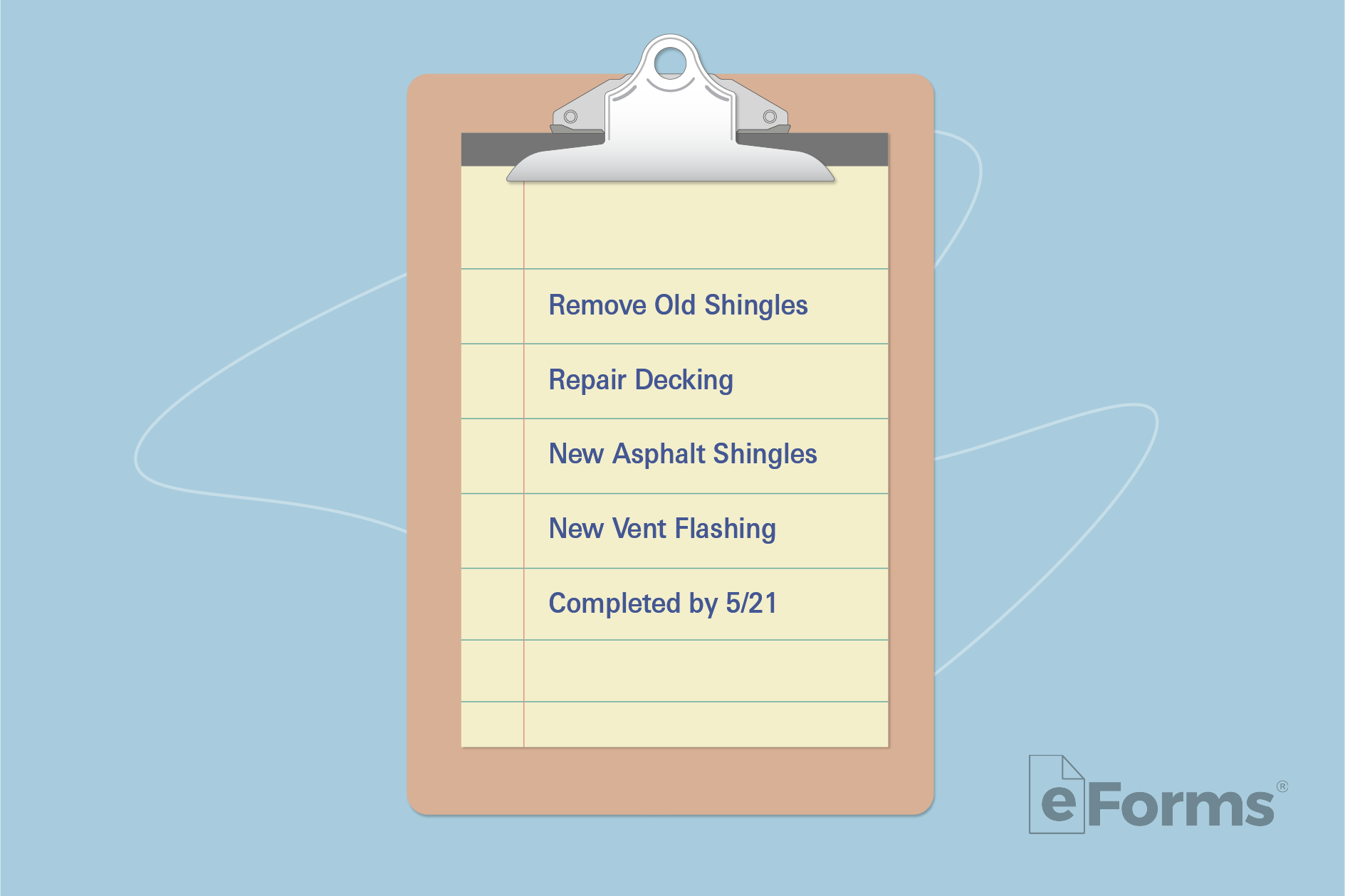
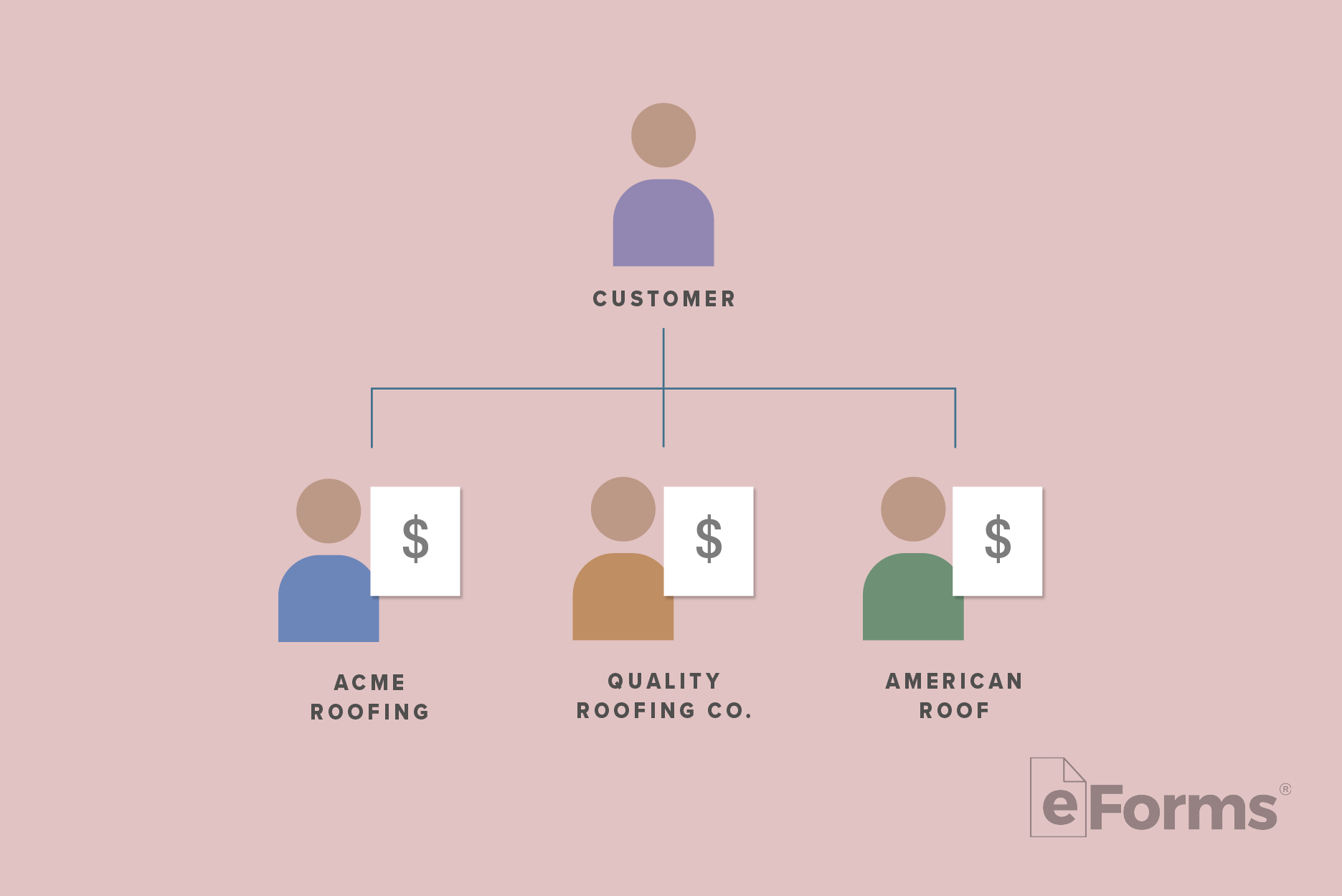
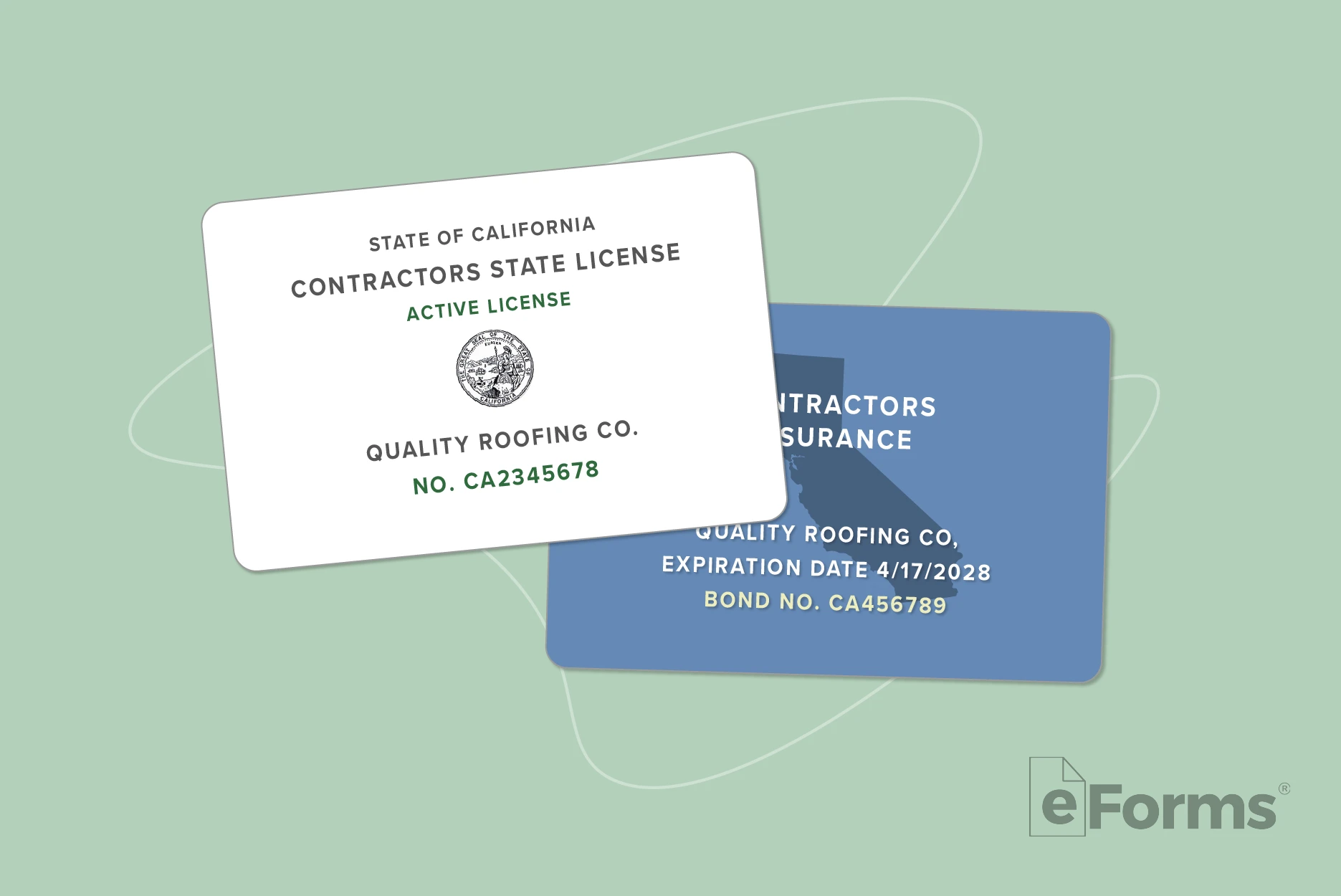
4. Negotiate Terms

The terms of a vendor agreement are not fixed. With multiple quotes in hand, the customer can negotiate terms that are most favorable to them. Customers should consider working with a vendor that is responsive to their needs and provides a quality product or service for a reasonable price.
5. Sign The Agreement
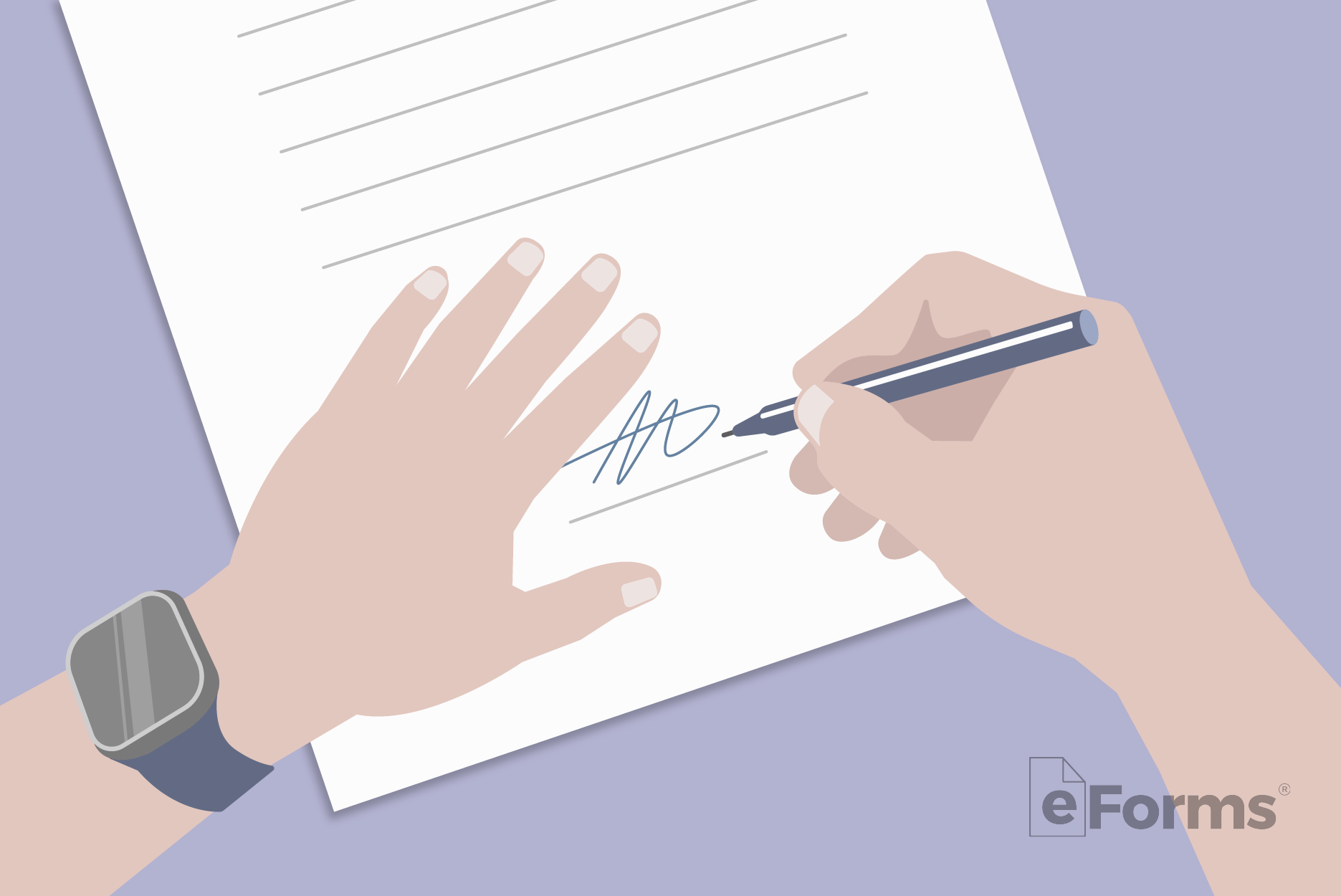
Once the customer is satisfied with the terms of an agreement, they can commit to it by signing. Once signed, the vendor can provide a vendor invoice.
Frequently Asked Questions
What is a vendor vs. a supplier?
A vendor sells their services or finished goods directly to the consumer while a vendor sells raw materials and supplies to businesses and manufacturers further up the supply chain.
Is a deposit required for a vendor agreement?
No, a deposit is not required but depending on the goods or services being provided, may be necessary. For example: a wedding dress designer may need a deposit to purchase raw materials for the dress being made.
Does a vendor agreement need to be notarized?
No, for a vendor agreement, the signatures of the parties involved is sufficient to make the contract legally binding.