
Purposes of estate planning
- Asset distribution. Ensure that your assets are distributed according to your wishes and appoint someone you trust to handle your finances.
- End-of-life medical care. Outline your medical treatment preferences and designate a trusted person to make medical decisions on your behalf when you cannot.
- Guardianship for children. Appoint guardians and conservators for minor children.
- Minimize tax liabilities. Minimize tax liabilities for your heirs.
- Prevent family disputes. Help prevent potential family conflict over inheritance.
Estate planning forms: Which ones do I need?
This varies depending on your specific goals and the size or complexity of your estate.
Keep in mind that while the functions of these forms are mostly universal, certain details may vary state by state, such as signing requirements or even the name of a certain form.
Browse below to determine which documents will best serve your needs.
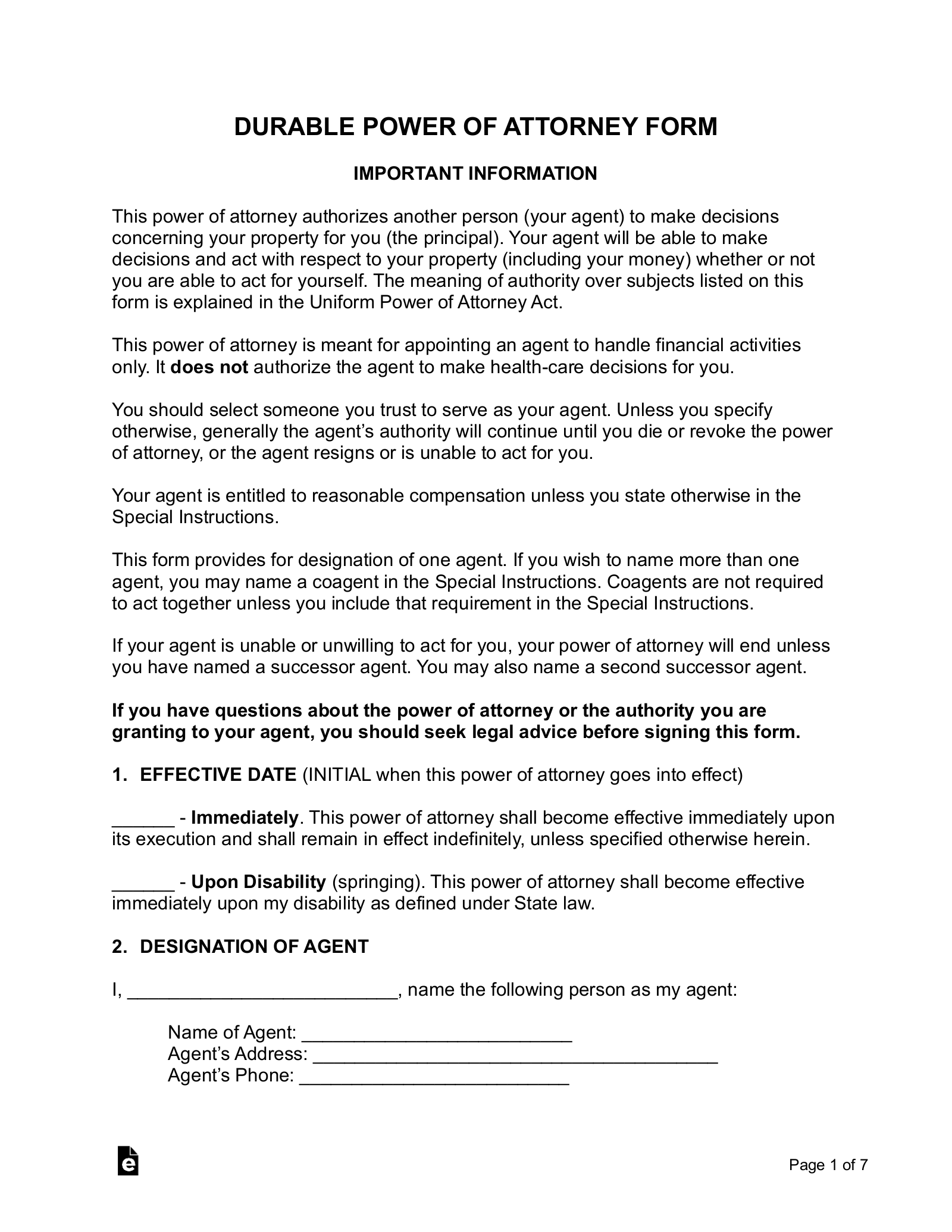 Durable Power of Attorney – Appoint a trusted person to manage your finances and property on your behalf. This power can be enacted while you are alive and stay effective after you die or become incapacitated. Ready to create your durable POA? Get started now. |
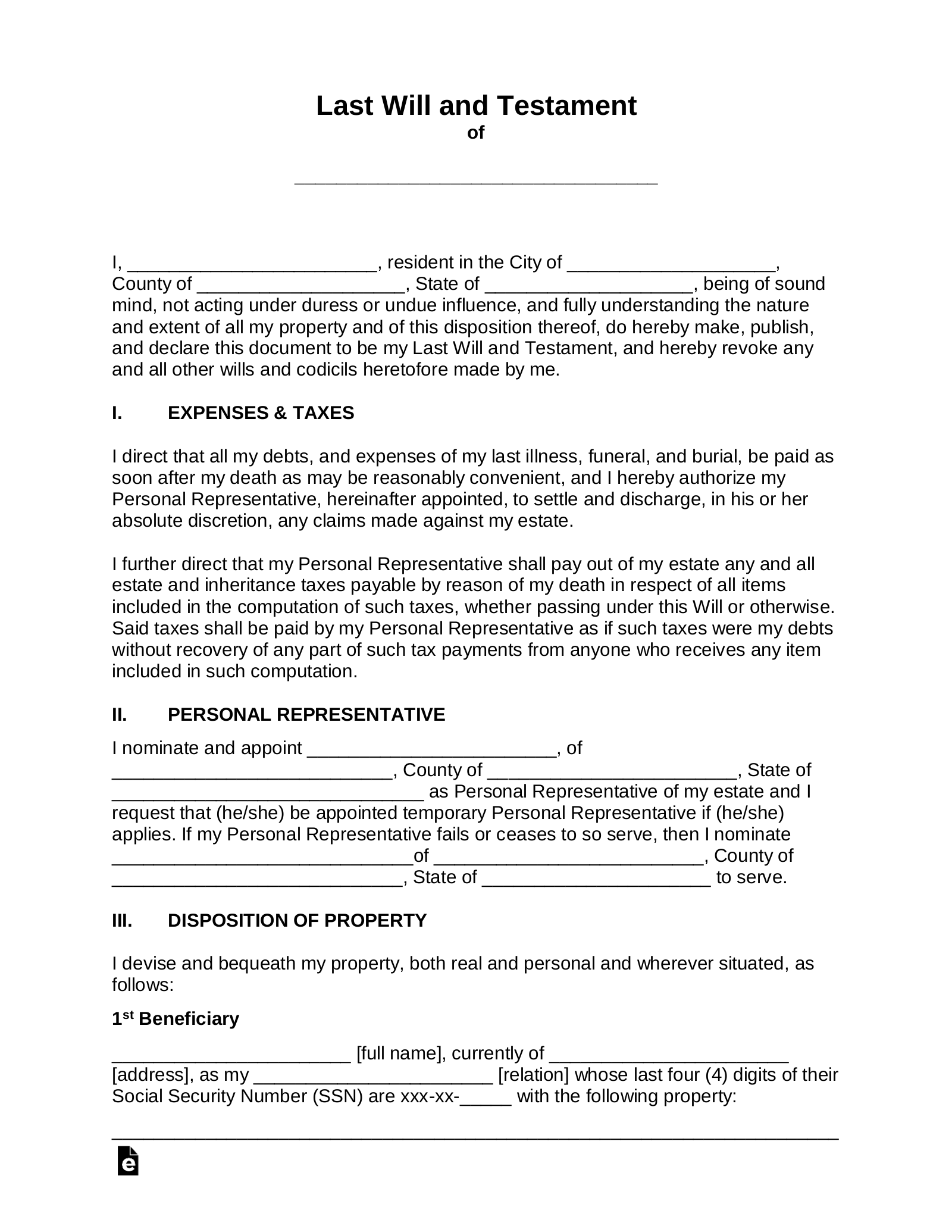 Last Will and Testament – Outline your wishes for distributing your assets and wealth through the probate court after you die. With this document, you can also appoint guardians and conservators for any of your children. Ready to create your last will and testament? Get started now. |
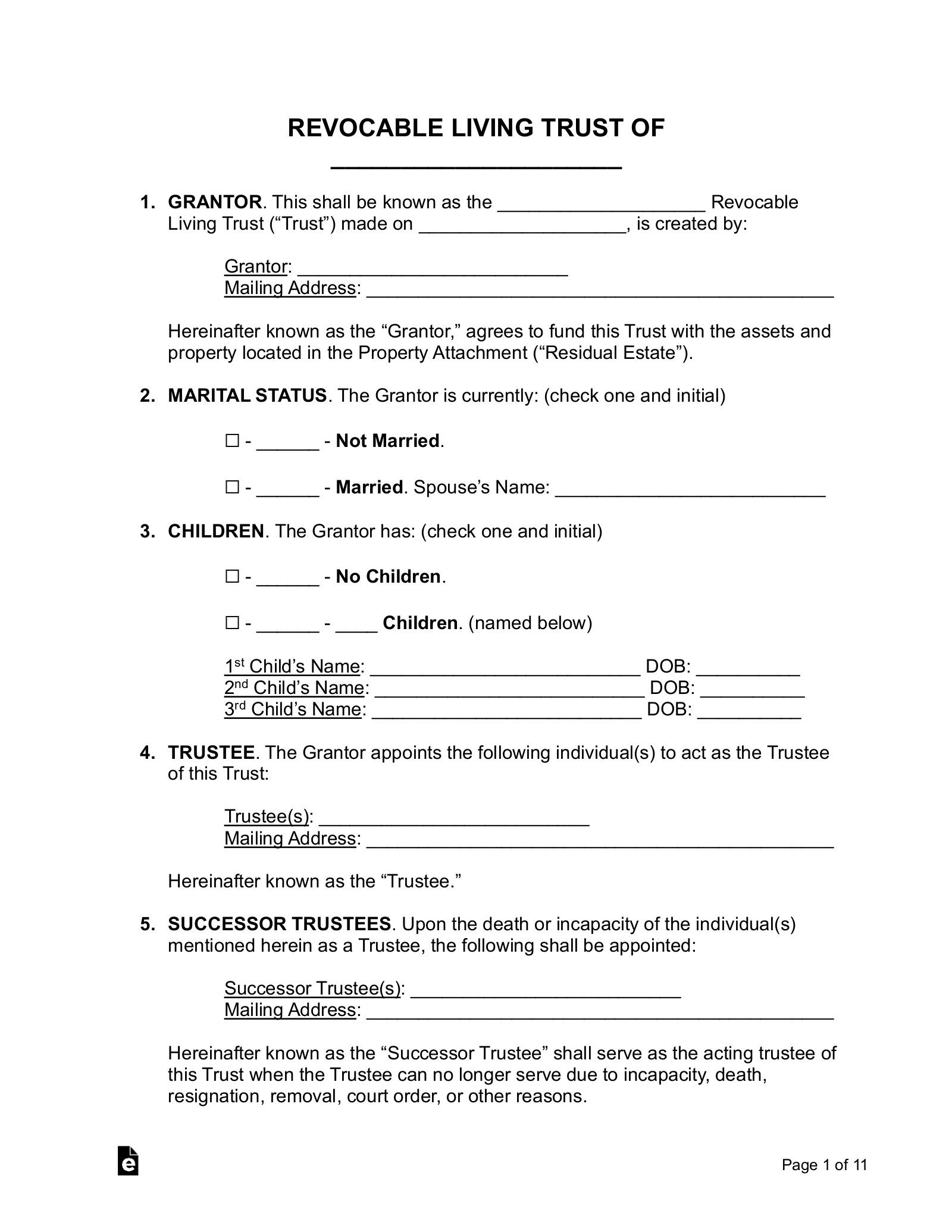 Revocable Living Trust – Hold your assets to be managed and distributed according to your wishes while you are still alive and after you die. It bypasses probate, meaning the assets can be distributed quickly and privately to your named beneficiaries without the court getting involved. Ready to create your revocable living trust? Get started now. |
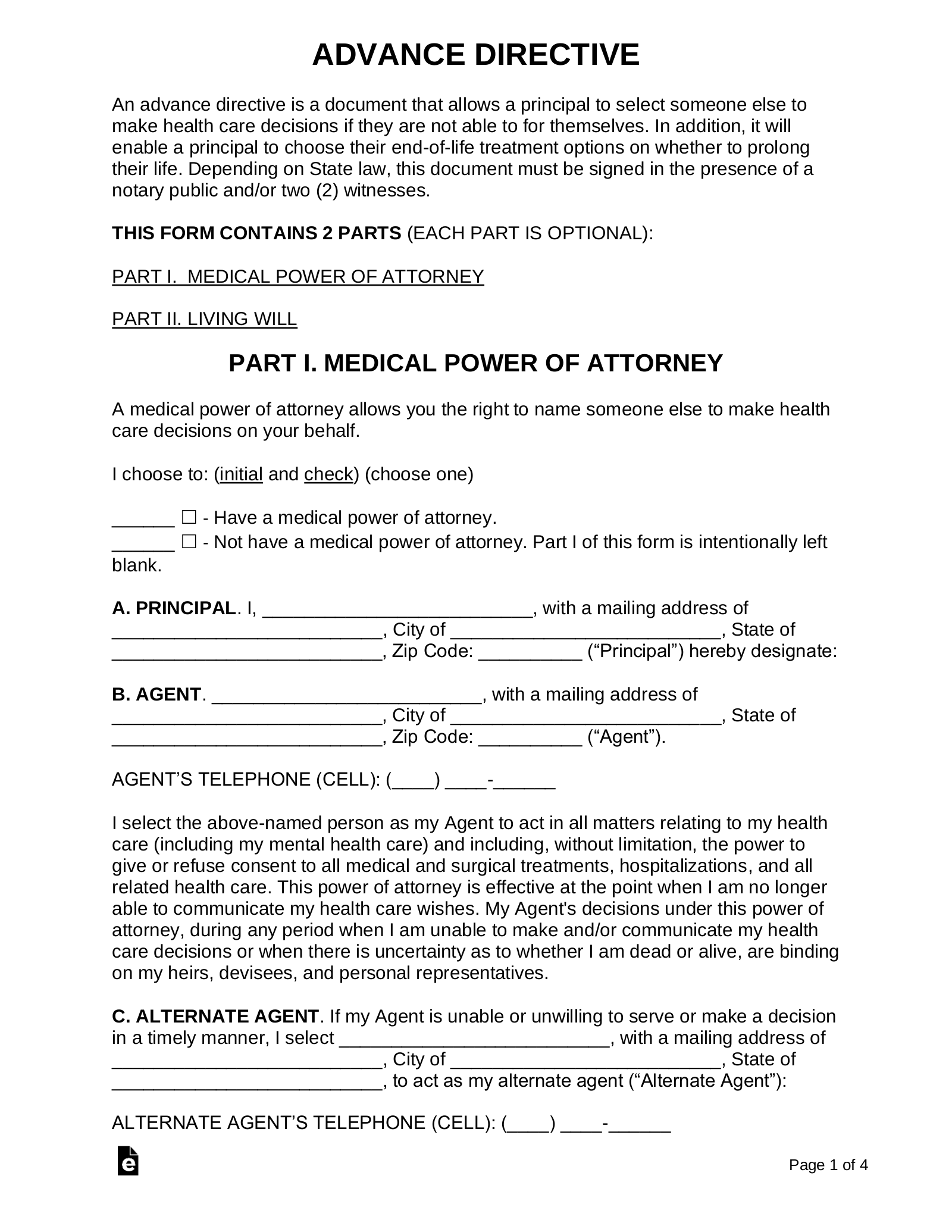 Advance Directive (Medical Power of Attorney + Living Will) – Outline your wishes for end-of-life medical treatment and designate a trusted person to make healthcare decisions on your behalf when you cannot. Ready to create your advance directive? Get started now. |
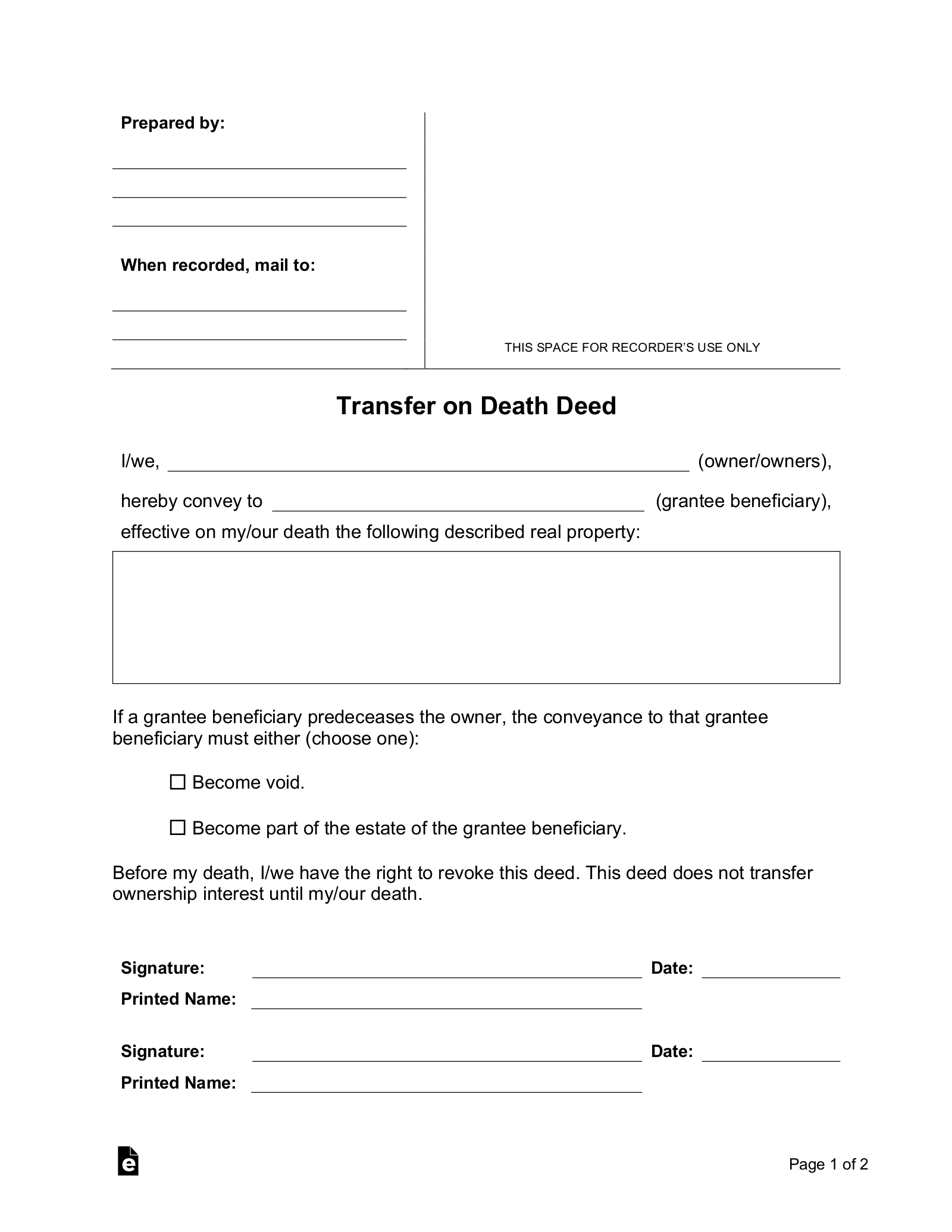 Transfer on Death Deed – Directly transfer your property to the designated beneficiary upon your death without going through probate. You retain full ownership and control of the real estate while you are still alive. Not available in all states. Ready to create your TODD? Get started now. |
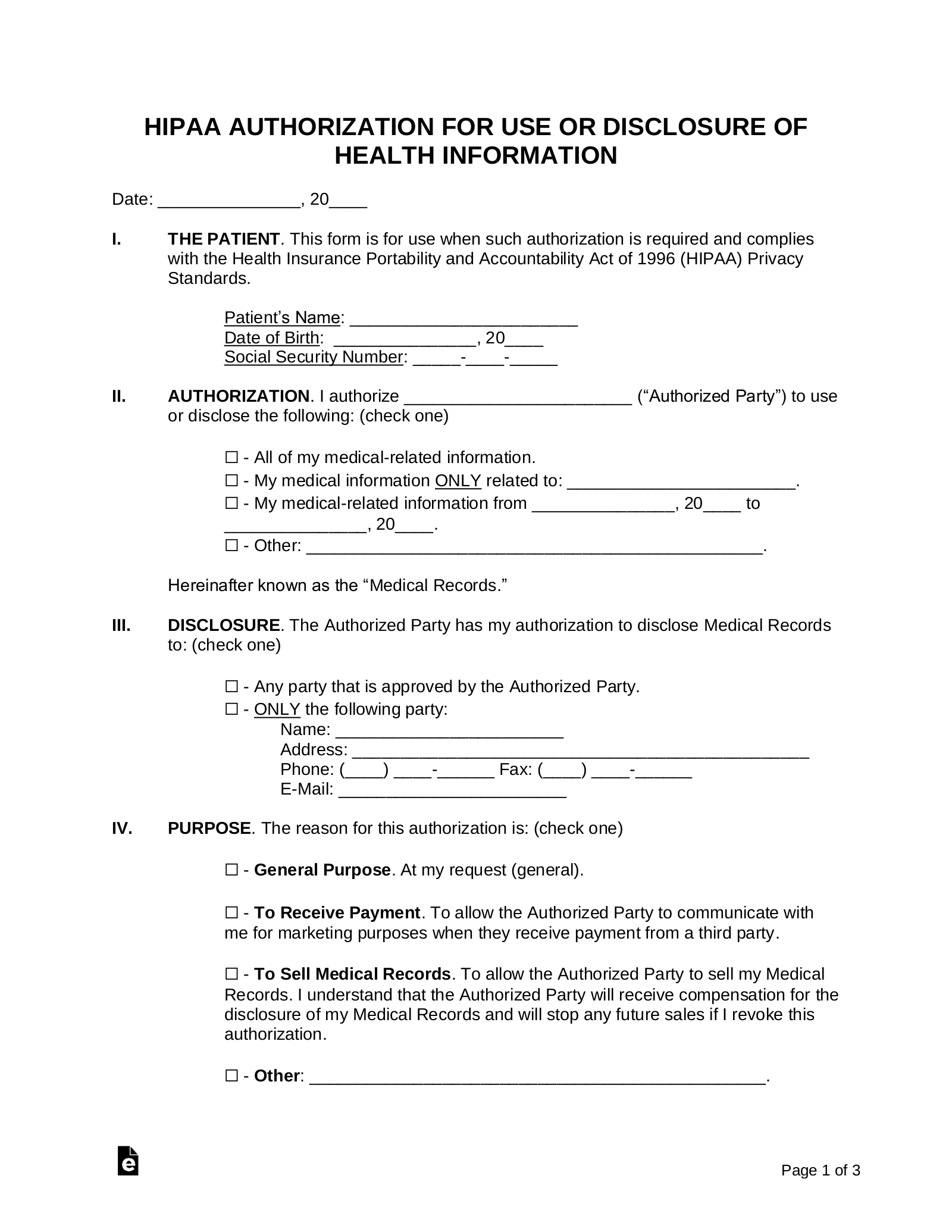 HIPAA Authorization Release – Release your medical records to trusted family members and third parties, such as healthcare providers. Ready to create your HIPAA authorization release? Get started now. |
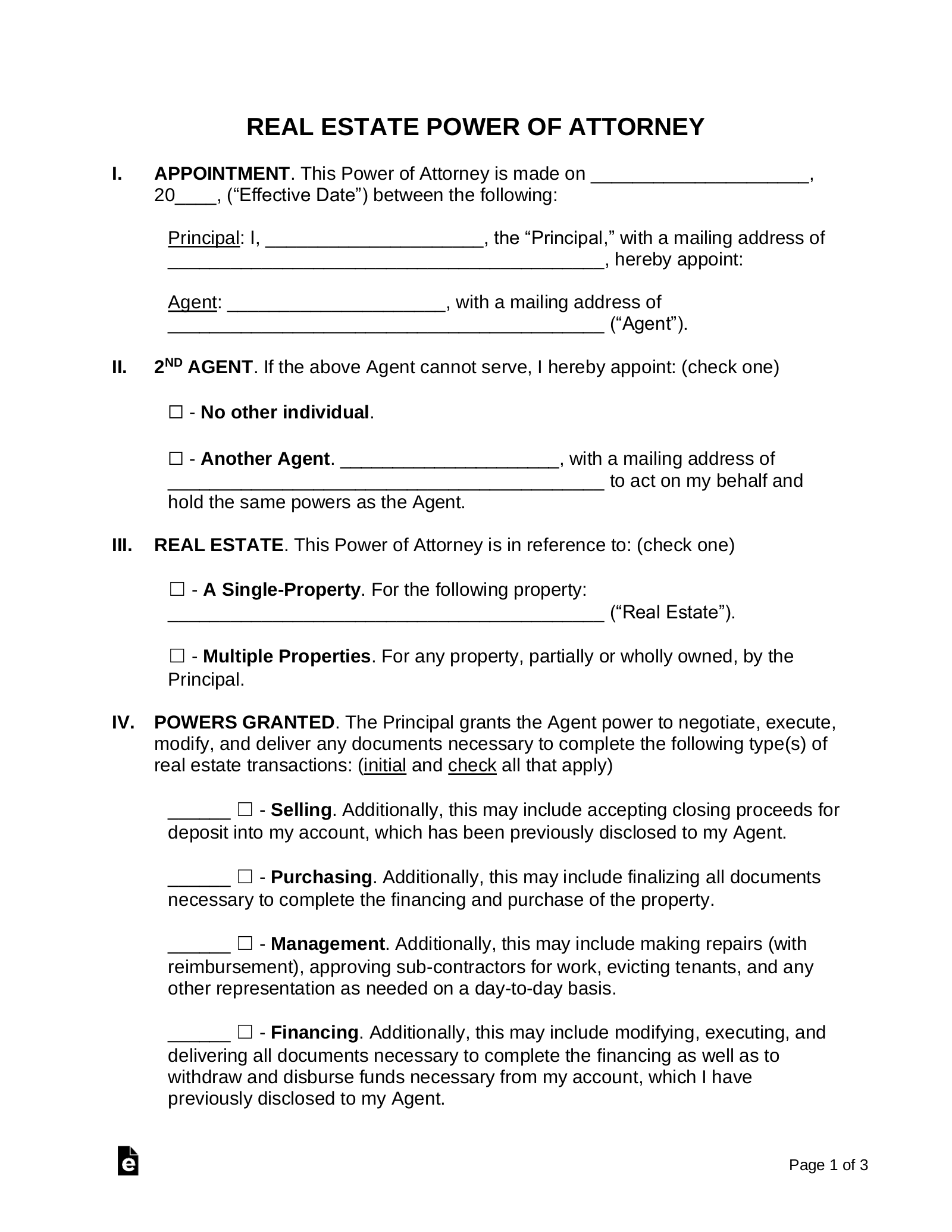 Real Estate Power of Attorney – Appoint a trusted individual to act on your behalf in real estate transactions involving your property, such as buying or selling your house. Ready to create your real estate POA? Get started now. |
When should I start estate planning?
As soon as possible. It is generally recommended to begin this process as soon as you become a legal adult at the age of 18. Without establishing your medical or financial wishes and proxies, these important and personal decisions will be decided by the court according to your state laws if you unexpectedly become incapacitated or pass away.
Be sure to review your documents every three to five years to ensure that they still reflect your wishes.
Do I need to hire a lawyer?
This depends on the size and complexity of your estate. For example, if your assets include various types of property, funds, investment portfolios, etc., an estate lawyer can provide insight on the most beneficial estate planning structure to minimize tax liabilities.
However, if your estate is more simple in terms of the assets it contains, you can easily complete the relevant forms on your own and file them with the appropriate court.