Key Features
- Authorizes a person to act for you. Allows an “agent” to make actionable decisions on a principal’s behalf.
- Delegates financial & medical powers. Depending on the form, economic and health care decisions can be made.
- Remains valid if incapacitated. If durable, decisions can be made if the principal is mentally or physically unable.
- No court process needed. Unlike guardianship or conservatorship, the principal can sign a power of attorney to become effective.
- Can void anytime. The principal can terminate or make changes if their not incapacitated.
By State
- Alabama
- Alaska
- Arizona
- Arkansas
- California
- Colorado
- Connecticut
- Delaware
- Florida
- Georgia
- Hawaii
- Idaho
- Illinois
- Indiana
- Iowa
- Kansas
- Kentucky
- Louisiana
- Maine
- Maryland
- Massachusetts
- Michigan
- Minnesota
- Mississippi
- Missouri
- Montana
- Nebraska
- Nevada
- New Hampshire
- New Jersey
- New Mexico
- New York
- North Carolina
- North Dakota
- Ohio
- Oklahoma
- Oregon
- Pennsylvania
- Rhode Island
- South Carolina
- South Dakota
- Tennessee
- Texas
- Utah
- Vermont
- Virginia
- Washington
- Washington D.C.
- West Virginia
- Wisconsin
- Wyoming
By Type (13)
 Durable (Financial) Power of Attorney – Financial purposes only. Remains in effect if the principal becomes incapacitated. Durable (Financial) Power of Attorney – Financial purposes only. Remains in effect if the principal becomes incapacitated.
|
 Advance Directive – Used for health care planning (combines a medical power of attorney and living will). Advance Directive – Used for health care planning (combines a medical power of attorney and living will).
|
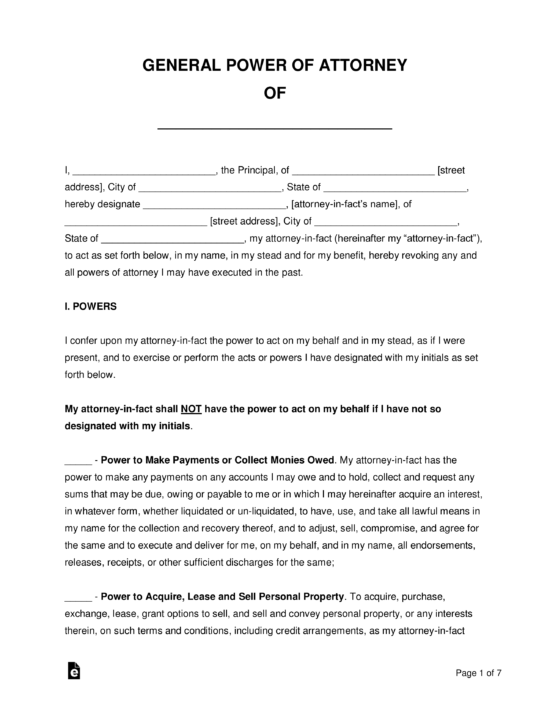 General (Non-Durable) Power of Attorney – Financial purposes only. Becomes void if the principal becomes incapacitated. General (Non-Durable) Power of Attorney – Financial purposes only. Becomes void if the principal becomes incapacitated.
|
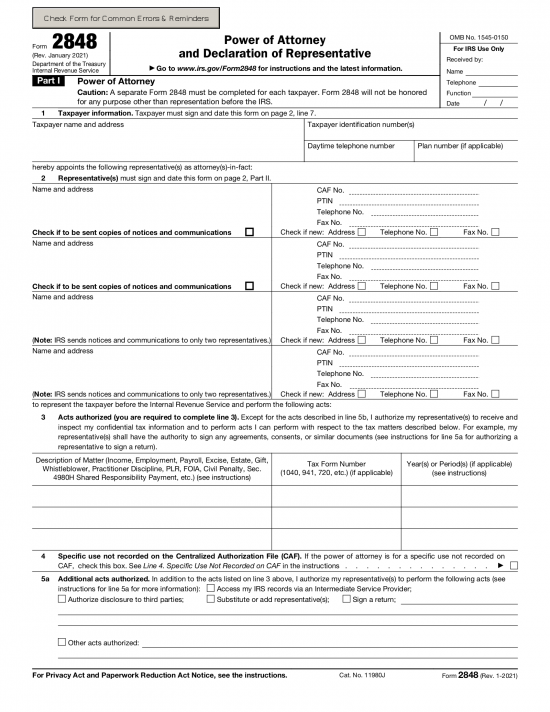 IRS Power of Attorney (Form 2848) – Allows someone else to file federal taxes on their behalf. IRS Power of Attorney (Form 2848) – Allows someone else to file federal taxes on their behalf.
Download: PDF |
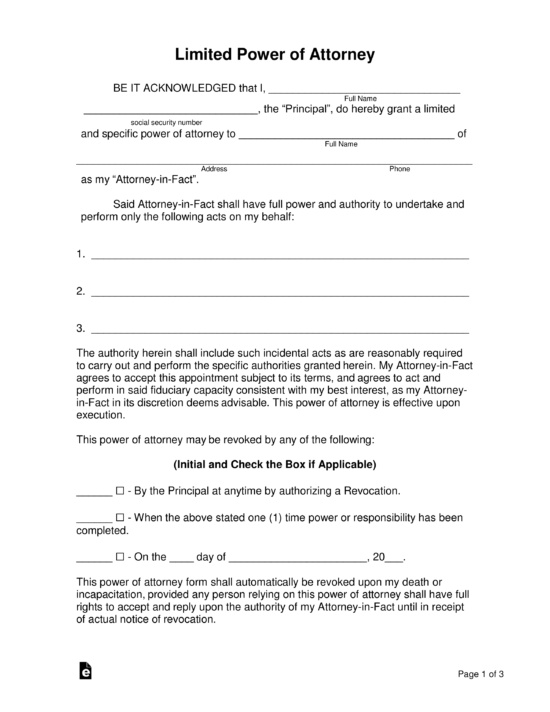 Limited Power of Attorney – For a specific task. Limited Power of Attorney – For a specific task.
|
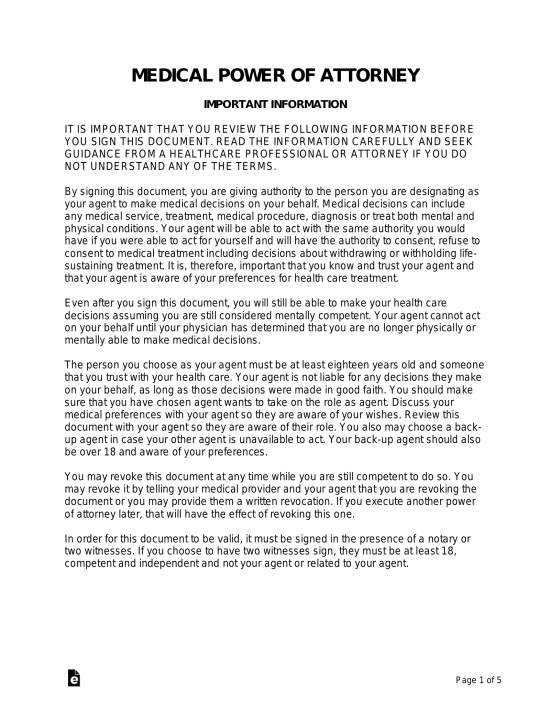 Medical (Health Care) Power of Attorney – To handle medical decisions on someone else’s behalf. Medical (Health Care) Power of Attorney – To handle medical decisions on someone else’s behalf.
|
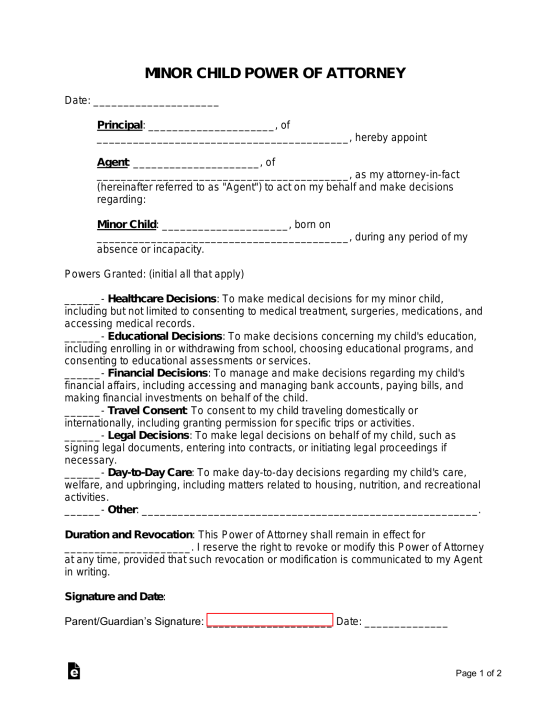 Minor (Child) Power of Attorney – For a parent to elect someone else to take temporary custody of their child. Minor (Child) Power of Attorney – For a parent to elect someone else to take temporary custody of their child.
|
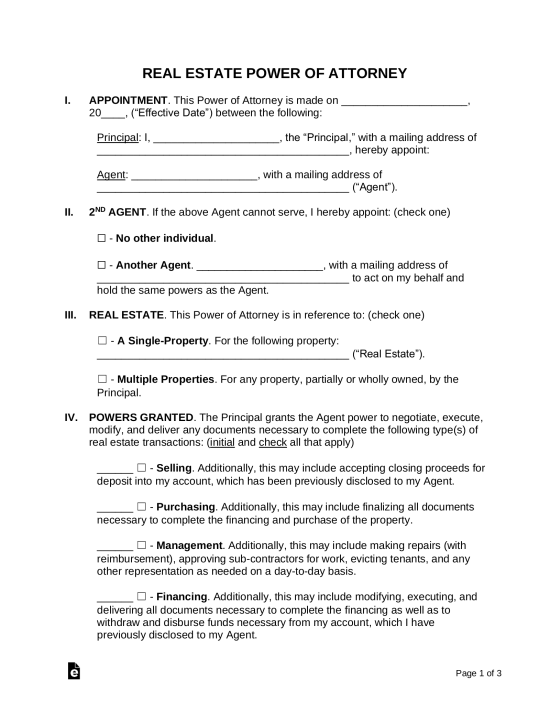 Real Estate Power of Attorney – To handle buying, selling, or leasing of property on the owner’s behalf. Real Estate Power of Attorney – To handle buying, selling, or leasing of property on the owner’s behalf.
|
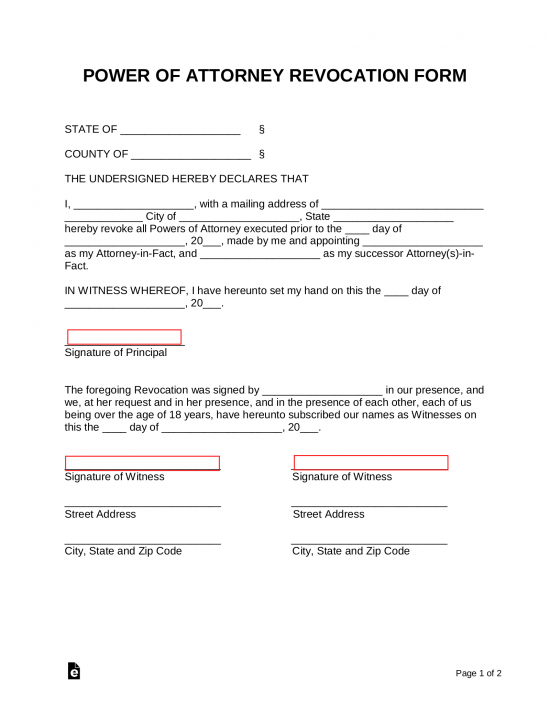 Revocation of Power of Attorney – To void a current power of attorney document. Revocation of Power of Attorney – To void a current power of attorney document.
|
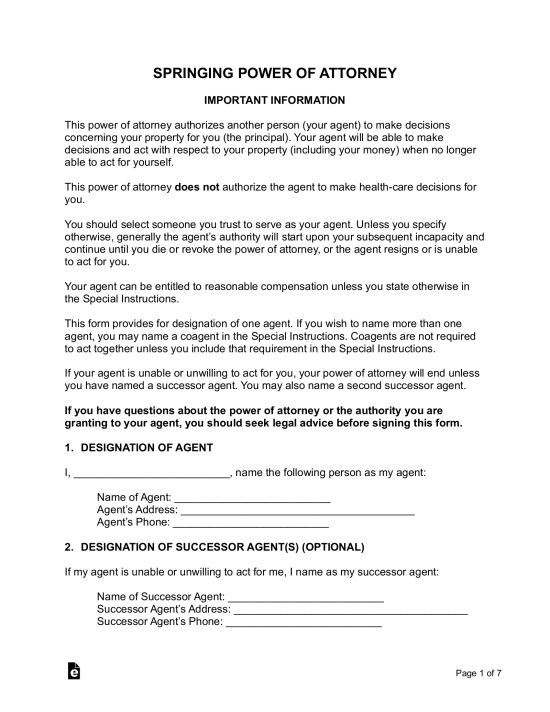 Springing (Durable) Power of Attorney – For financial purposes. “Springs” into effect only if the principal becomes incapacitated. Springing (Durable) Power of Attorney – For financial purposes. “Springs” into effect only if the principal becomes incapacitated.
|
 State Tax Filing Power of Attorney – Allows someone else to file State taxes on their behalf. State Tax Filing Power of Attorney – Allows someone else to file State taxes on their behalf.
|
 Uniform Power of Attorney Act (UPOAA) Version – A standard (statutory) version used in 32 States. Uniform Power of Attorney Act (UPOAA) Version – A standard (statutory) version used in 32 States.
|
 Vehicle Power of Attorney – To handle the buying, selling, or registering of a vehicle on the owner’s behalf. Vehicle Power of Attorney – To handle the buying, selling, or registering of a vehicle on the owner’s behalf.
|
What is Power of Attorney?
Power of attorney designates an individual (agent) to handle someone else’s affairs (principal) for a fixed or indefinite time period.
A principal can appoint any adult they want as their agent. Once selected, an agent can perform any task for the principal if permitted in the power of attorney document.
Legal Definition
“Power of attorney” means a writing or other record that grants authority to an agent to act in the place of the principal, whether or not the term power of attorney is used.[2]
How to Get Power of Attorney (5 steps)
1. Granting Powers

The principal can select a power of attorney document based on the powers granted. If multiple powers are given, the principal can select more than one type.
Types of Powers
- Financial
- Durable POA
- General POA
- Limited POA
- Real Estate POA
- Vehicle POA
- Health Care
- Advance Directive
- Living Will
- Medical POA
- Minor (Child)
- Tax
- Federal (IRS 2848)
- State POA

3. Completing the Form

A power of attorney document can be completed by the principal or a lawyer (recommended).
Estate Planning
It is common to complete other estate planning documents while making a power of attorney, such as creating a last will and testament or a living trust.

5. Storage and Use

It is recommended that the agent and any interested parties be given a copy. The signed copy must be shown each time the agent acts on behalf of the principal.
Where to Keep
- Attorney’s Office – An estate attorney or someone who would know if the principal became incapacitated.
- Cloud Storage – Upload and share on Google Drive, Dropbox, or OneDrive to family members as “view only” so it can’t be modified.
- Family Member – Specifically, someone who is the executor or beneficiary of the principal’s estate.